
Restoring Food Webs with Keystone Native Plants
Every organism plays a vital role in nature's intricate dance. At the foundation of this complex web of life are native plants, the unsung heroes that sustain entire ecosystems. Ecological gardening, focused on cultivating native plant species, is a powerful tool in preserving biodiversity and fostering resilient ecosystems. In this article, we delve into the significance of ecological gardening with native plants, particularly for the first trophic level of the food web.
Understanding the Trophic Levels
Before delving into the importance of native plants, let's understand the concept of trophic levels. Trophic levels represent the hierarchical structure of feeding relationships in an ecosystem. At the very base lies the first trophic level, comprising producers—organisms that produce their own energy through photosynthesis. These primary producers form the foundation upon which all other trophic levels depend.

The Role of Native Plants
Native plants harness sunlight through photosynthesis to produce energy-rich organic compounds. This energy sustains the plants themselves and cascades through the ecosystem, supporting an array of life forms. The relationship between native plants and the first trophic level is symbiotic. They provide food and habitat for various organisms, including insects, birds, and small mammals.

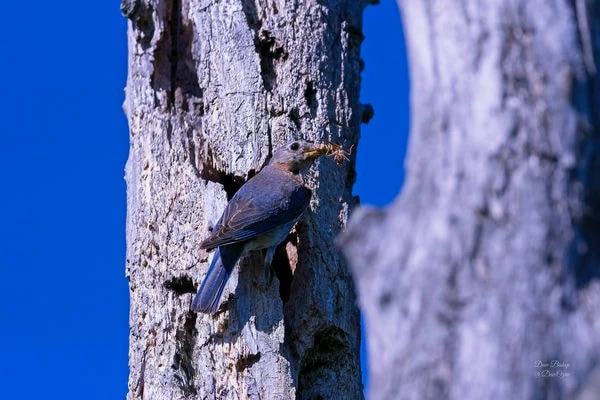
Red-breasted Robin is collecting insects for its young at Mequon Nature Preserve.
Fueling Food Webs
Many native plants support diverse wildlife species and entire ecosystems, yet they are often underappreciated. After capturing solar energy through photosynthesis, plants must be consumed by animals for that energy to progress through the food web. "No animals transfer more energy from plants than caterpillars," Tallamy explains.
These insects are high in protein and serve as a primary food source for many wildlife species. This includes 96 percent of terrestrial birds that rely on butterfly and moth larvae to feed their young. However, caterpillars cannot feed on just any plant. Most Lepidopteran larvae have coevolved over millions of years to feed only on a limited number of native species, which are known as their host plants.
The Power of Keystone Native Plants
While all native plants have value, certain species are primarily responsible for sustaining the bulk of the food web. Tallamy and his colleagues refer to these essential species as keystone native plants. Just as a physical keystone is crucial for supporting an ancient Roman arch, these plants are vital for maintaining the integrity of their ecosystems. Without them, the ecosystem would likely collapse.
Scientists identify keystone native plants by examining the number of caterpillar species they can support. Research shows that a small percentage of native plant genera often support the majority of Lepidoptera species in a given ecoregion. By prioritizing these specific keystone plants, gardeners can maximize the energy transfer from the first trophic level to the rest of the local wildlife.
More information on Doug Tallamy and Power Plants
The Harmful Effects of Exotic Plants
Non-native plants disrupt ecosystems because they may not have evolved alongside the native species, leading to imbalances in the ecosystem. Invasive species can have significant negative impacts on ecosystems.
Broken Food Webs: Plants produce chemicals as a defense mechanism to deter insects from consuming them. These chemicals, known as secondary metabolites, can be toxic, unpalatable, or disrupt the growth and reproduction of insects. Native insects evolve to tolerate or bypass the defenses of specific native plants, referred to as host plants. However, they cannot overcome the unfamiliar chemical defenses of non-native plants. This limitation removes their ability to feed on non-native plants, mainly removing their contribution to the local food web. As a result, this disruption lowers food availability for higher trophic levels, ultimately weakening the entire ecosystem.
Competition: Non-native plants can outcompete native plants for resources such as sunlight, water, and nutrients. This competition can lead to a decline in native plant populations, which can have cascading effects on other organisms that depend on them.
Lack of Natural Predators: In their native habitats, plants often have natural predators like insects or pathogens that help keep their populations in check. When these plants are introduced to new environments where their natural predators are absent, they can spread rapidly and outcompete native species.
Altered Habitat Structure: Non-native plants may alter the physical structure of an ecosystem, changing things like soil composition, shading patterns, or water flow. These alterations can negatively impact native plants, animals, and microorganisms that rely on specific habitat conditions.
Reduced Biodiversity: When non-native plants dominate an ecosystem, they can reduce the diversity of plant species present. This reduction in plant diversity can, in turn, lead to declines in other organisms that depend on diverse plant communities for food and habitat.
Disruption of Mutualistic Relationships: Many native plants have co-evolved with specific pollinators, seed dispersers, and other organisms. When non-native plants replace native species, these mutualistic relationships can be disrupted, harming the plants and the organisms that depend on them.

Garlic Mustard overtaking a native woodland
Biodiversity and Resilience
Ecological gardening with native plants fosters biodiversity, a key component of ecosystem resilience. Native plants have co-evolved with local wildlife over millennia, resulting in intricate relationships supporting many species. By cultivating native plants, gardeners create havens for pollinators like bees and butterflies, essential for reproducing flowering plants. This biodiversity, in turn, enhances the ecosystem's ability to withstand disturbances such as climate change and invasive species.
Promoting Pollination
Pollinators play a crucial role in the reproduction of many plants, including food crops. Native plants often have specialized relationships with native pollinators, ensuring efficient pollination processes. However, habitat loss and the widespread use of pesticides have led to a decline in pollinator populations. Ecological gardening provides a lifeline for these essential species by offering a continuous supply of nectar and pollen-rich flowers.
Native Bees
Native plants are vital for the survival of native bees, providing the precise pollen and nectar that these creatures have evolved to thrive on. These bees often form specialized relationships with local flora, relying on their unique flower structures, blooming periods, and nutritional qualities. In contrast, non-native plants frequently fall short, offering resources that are less accessible or lacking in nutrition. This imbalance can significantly harm native bee populations and, in turn, jeopardize the health of our ecosystems. Planting and promoting native plants is essential for preserving these important pollinators and the biodiversity they support.

Native Bumblebee on Swamp Milkweed
Supporting Herbivores
Herbivores, the primary consumers in the food web, rely on native plants for sustenance. Insects such as caterpillars mainly depend on specific native plant species for their development. For example, monarch butterflies lay their eggs exclusively on milkweed plants. By incorporating native plants into gardens, individuals can create vital habitat corridors for herbivores, ensuring their survival and contributing to the overall health of ecosystems.
Balancing Predator-Prey Dynamics
The presence of native plants supports herbivores and attracts predators that feed on them. Birds, for instance, rely on insects as a primary food source, especially during the breeding season. By cultivating native plants that host insect prey, gardeners can attract insectivorous birds, helping to regulate pest populations naturally. This balanced predator-prey dynamic reduces the need for harmful chemical pesticides, promoting a more sustainable approach to gardening.
Enhancing Soil Health
Healthy soils are the foundation of productive ecosystems. Native plants, with their deep root systems and ability to sequester carbon, play a crucial role in soil health. Their roots help improve soil structure, preventing erosion and promoting water infiltration. Additionally, native plants support a diverse microbial community in the soil, contributing to nutrient cycling and overall ecosystem functioning.
Invasive plants often exude chemicals into the soil. Allelopathy in plants refers to the phenomenon where one plant species releases chemicals into the environment, influencing other nearby plant's growth, germination, or survival. These chemicals, known as allelochemicals, can have various effects, such as inhibiting seed germination, suppressing root growth, or deterring herbivores. Allelopathy significantly influences plant competition and ecosystem dynamics, influencing plant community structure and biodiversity.
Conserving Water Resources
In an era of increasing water scarcity, ecological gardening with native plants offers a sustainable solution. Native plants are adapted to local climate conditions and soil types, requiring minimal supplemental watering once established. By reducing water consumption in gardens, individuals can lessen the strain on freshwater resources and contribute to ecosystem resilience in the face of climate change.
Cultural and Aesthetic Value
Beyond their ecological benefits, native plants hold cultural and aesthetic significance. Many native plant species have historical and cultural importance to indigenous communities, embodying traditional knowledge and practices. Furthermore, native landscapes offer a sense of place and belonging, connecting people to their local environment in meaningful ways. From vibrant wildflowers to majestic trees, native plants enhance the beauty and diversity of gardens, enriching the human experience of nature.
Conclusion
In the intricate tapestry of life, native plants stand as guardians of biodiversity and stewards of ecosystem health. Through ecological gardening practices prioritizing native species, individuals can contribute to the vitality of the first trophic level and the entire web of life. By embracing native plants in our gardens, we create havens for wildlife and cultivate resilience in the face of environmental challenges. Let us heed the wisdom of nature and nurture the roots of ecological harmony, one garden at a time.