Native Bees of the Midwest & Mid-Atlantic
Vital Pollinators for Ecosystems and Agriculture
Bees are some of the most essential pollinators in the natural world, contributing to the reproduction of many plants, including those that form the basis of human food crops. While honeybees often dominate public perception, native bees in the United States play an equally crucial role in maintaining biodiversity, supporting agriculture, and preserving ecosystems. This article explores the different types of native bees in the USA, their importance, and their challenges.
What Are Native Bees?
Native bees are species that have evolved in the Americas, as opposed to honeybees, which are non-native and were introduced to North America by European settlers in the 1600s. There are over 4,000 species of native bees in the U.S., and an estimated 400-500 species in the region including bumblebees, carpenter bees, sweat bees, and leafcutter bees. Each of these species has unique behaviors and adaptations suited to its environment.
Native bees vary in size, color, and shape, from the tiny, shiny green sweat bees to the large, fuzzy bumblebees. They can be solitary or social, and their nesting habits range from underground burrows to hollow stems and rotting wood. Unlike honeybees, which live in colonies with a strict social structure, many native bee species are solitary, with females building their nests independently.
Native Bee Genera of the Midwest and Mid-Atlantic United States
The Midwestern and Mid-Atlantic United States host a remarkable diversity of native bees, representing an essential component of the region's ecological health. These industrious pollinators maintain the reproductive success of countless flowering plants, from prairie wildflowers to agricultural crops. The following genera constitute the primary bee groups native to or well-established in these regions:
The sweat bee family (Halictidae) is well-represented by Agapostemon (metallic sweat bees), with their metallic green bodies gleaming in summer sunlight, alongside Halictus (sweat bees), Lasioglossum (sweat bees), and the brilliant green Augochlorella (green sweat bees) and Augochloropsis (green sweat bees). Dieunomia (large sweat bees) stands out among them for its larger size. The Mid-Atlantic additionally hosts Augochlora (green sweat bees) and Sphecodes (cuckoo sweat bees).
Mining bees (Andrenidae) include the species-rich Andrena (mining bees), often among the first bees to emerge in early spring, along with Calliopsis (mining bees) and the diminutive Perdita (mining bees). The Mid-Atlantic region adds Protandrena (mining bees) and Pseudopanurgus (mining bees).
Leaf-cutter and mason bees (Megachilidae) comprise several important genera: Megachile (leafcutter bees), known for cutting perfect circles from leaves; Osmia (mason bees) and Hoplitis (mason bees), which nest in hollow stems and wood cavities; Anthidium (wool carder bees), the territorial bees that collect plant fibers; and their smaller relatives Anthidiellum (small resin bees) and Dianthidium (resin bees). This family also includes Heriades (resin bees), specialists in resin collection, and several cuckoo genera like Coelioxys (cuckoo leaf-cutter bees) and Stelis (cuckoo bees). The Mid-Atlantic region additionally supports Paranthidium (resin bees) and Lithurgus (wood-boring bees).
Long-tongued bees (Apidae) feature the familiar Bombus (bumble bees), essential pollinators of many crops, alongside Anthophora (digger bees), robust bees that visit early blooming plants. Ceratina (small carpenter bees) nest in pithy stems, while their larger cousins Xylocopa (carpenter bees) excavate tunnels in wood. Specialists include Peponapis (squash bees) and Xenoglossa (squash bees), both adapted to pollinate squash and related plants. This diverse family also contains numerous cuckoo bees, including Epeolus (cuckoo bees), Holcopasites (cuckoo bees), Nomada (cuckoo bees), and Triepeolus (cuckoo bees), which lay their eggs in the nests of other bees. Melissodes (long-horned bees) and Svastra (long-horned bees) are recognized by their exceptionally long antennae, especially in males. The Mid-Atlantic adds Eucera (long-horned bees), Melecta (cuckoo bees), Habropoda (digger bees), and Ptilothrix (chimney bees).
Cellophane bees (Colletidae) include Colletes (cellophane bees), known for lining their nest cells with a waterproof secretion, and Hylaeus (yellow-faced bees), small black bees with yellow facial markings that carry pollen internally rather than on specialized hairs.
Melittidae, a smaller family, is represented by specialist genera like Dufourea (solitary bees), which often focus on specific plant families. The Mid-Atlantic region adds Macropis (oil bees) and Melitta (solitary bees).
This assemblage of bees, from tiny Ceratina (small carpenter bees) barely exceeding 8mm to robust Xylocopa (carpenter bees) approaching 25mm in length, collectively ensures these regions' flowering ecosystems maintain their vitality, resilience, and productivity.
The Role of Native Bees in Pollination
Native bees are indispensable pollinators for many plants, including wildflowers, fruits, vegetables, and nuts. They pollinate not just for the benefit of agriculture but also to ensure the survival of wild plant species, which provide food and shelter for various other organisms. Pollination is essential for the fertilization of plants, enabling them to produce seeds, fruits, and other reproductive structures.
Among the many plants that rely on native bees for pollination are blueberries, apples, tomatoes, melons, squash, and almonds. For crops like tomatoes and squash, some native bees, such as squash bees (Peponapis spp.), are particularly effective because they have specialized behaviors suited to the plant's flowers. For example, squash bees are known to "buzz pollinate," a technique that vibrates the flower's anthers, releasing pollen.
In the wild, native bees also pollinate many plants that sustain ecosystems, such as clover, willows, and other shrubs and trees that provide food for wildlife. This function is crucial to maintaining biodiversity and supporting the overall health of ecosystems.
Challenges Facing Native Bees
Despite their importance, native bees face several threats that jeopardize their populations. These include:
- Habitat Loss: Urbanization, agriculture, and deforestation have led to the destruction of native habitats, reducing the availability of food and nesting sites for native bees. Monoculture farming practices, which focus on growing a single crop over large areas, also limit the diversity of plants available to pollinators.
- Pesticides: The widespread use of chemical pesticides in agriculture has been linked to declines in bee populations. Pesticides, including neonicotinoids, can affect bees' ability to forage, navigate, and reproduce. Exposure to these chemicals can be lethal or result in long-term harm to bee colonies.
- Climate Change: Climate change poses a growing threat to native bees by altering the timing of flower blooms and disrupting the availability of food sources. Warmer temperatures can also lead to the loss of critical habitats, such as alpine meadows and wetlands, where certain species of bees live.
- Competition with Non-Native Species: While native bees face competition from other pollinators, the introduction of non-native species like honeybees can exacerbate the problem. Honeybees often compete for resources and may introduce diseases to which native bees have no natural resistance.
- Disease and Parasites: Native bees are also vulnerable to diseases and parasites that can reduce their population sizes. For example, parasitic mites, which are a major threat to honeybee colonies, can also affect bumblebees and other native species.
Conservation Efforts and Solutions
Efforts to protect native bees and their habitats are critical to their survival. Here are some key strategies to help conserve these essential pollinators:
- Habitat Restoration: Creating and preserving diverse habitats, such as wildflower meadows, hedgerows, and native plant gardens, can provide essential food and nesting sites for native bees. Organic farming and gardening practices, which reduce pesticide use, can also support bee populations.
- Bee-Friendly Practices in Agriculture: Many farmers are adopting bee-friendly practices, such as planting pollinator strips or providing habitats like bee hotels. Reducing pesticide use and avoiding spraying during blooming periods can minimize harm to native bees.
- Public Awareness and Education: Raising awareness about the importance of native bees and how to protect them is crucial. Educational programs and campaigns can encourage homeowners, gardeners, and farmers to incorporate native plants into their landscapes and adopt bee-friendly practices.
- Scientific Research: Continued research into the behavior, ecology, and needs of native bees is essential to understanding how to protect them effectively. Programs that monitor bee populations and track their health are helping to inform conservation strategies.
- Legislation: Efforts to pass laws protecting pollinators are gaining traction in the U.S. Some states have introduced legislation to promote pollinator-friendly farming practices and to protect native habitats from destruction.
How You Can Help
There are several ways individuals can contribute to the conservation of native bees:
- Plant Native Flowers: Include a variety of native flowering plants in your garden to provide bees with nectar and pollen throughout the year. Choose native plants that bloom at different times of the season. Focus on spring and fall when many common natives are not blooming.
- Avoid Pesticides: Use natural alternatives to pesticides and don't use insecticides, especially during the blooming seasons when bees are active.
- Support Bee Conservation Organizations: Many groups are dedicated to pollinator conservation. Supporting them can help fund research and advocacy for bee protection.
- Create Bee Habitats: Leave areas of your garden undisturbed, with soil for ground-nesting bees and leaf litter for bumblebee queens to overwinter. Don't cut down plants in the fall. Consider a stem maintenance plan for cavity-nesting solitary bees. Decaying logs will provide nest sites for various native bees, like sweat bees. Embrace the wildlife in your yard. Abandoned rodent nests like chipmunks, mice, and voles are where bumblebees love to nest.


Conclusion
Native bees are an irreplaceable part of America's natural and agricultural systems. These tiny creatures are vital pollinators that sustain ecosystems, support food production, and contribute to biodiversity. However, they face numerous challenges, including habitat loss, pesticides, and climate change. By understanding their importance and taking action to protect them, we can ensure that native bees continue to thrive and fulfill their essential ecological role for generations to come.
Native Bee Specialists: Host Plants, Threats, and Conservation
Insects, Pollinators, and Invertebrates
-
Research and outreach focused on firefly ecology and habitat protection.
-
Heather Holm is a pollinator conservationist and award-winning author of four books: Pollinators of Native Plants (2014), Bees (2017), Wasps (2021), and Common Native Bees of the Eastern United States (2022).
-
Science based partnership supporting monarch butterfly conservation.
-
Research dataset documenting host plant relationships for Lepidoptera, useful for understanding insect–plant specialization and food web connections.
-
Education and habitat programs supporting pollinators worldwide.
-
Invertebrate conservation organization focused on pollinators and other beneficial insects.
-
The Wisconsin/Midwest Bumblebee Observers group is a discussion and information community for people who enjoy observing, photographing and learning about Midwestern bumblebee species, all native Midwestern bees, and their habitat needs.
Native Bees in Wisconsin
Wisconsin is home to over 500 species of native bees, playing a crucial role in pollinating crops and wild plants. These bees are essential for maintaining biodiversity and ecosystem balance in the region. Among the most common native bee species in Wisconsin are the bumblebees, sweat bees, mining bees, and leafcutting bees. They exhibit diverse foraging behaviors and habitat preferences, making them resilient to various environmental conditions. Conservation efforts are focused on protecting their natural habitats and promoting sustainable land management practices to ensure their continued presence in Wisconsin's ecosystems.
Bee Gallery


-
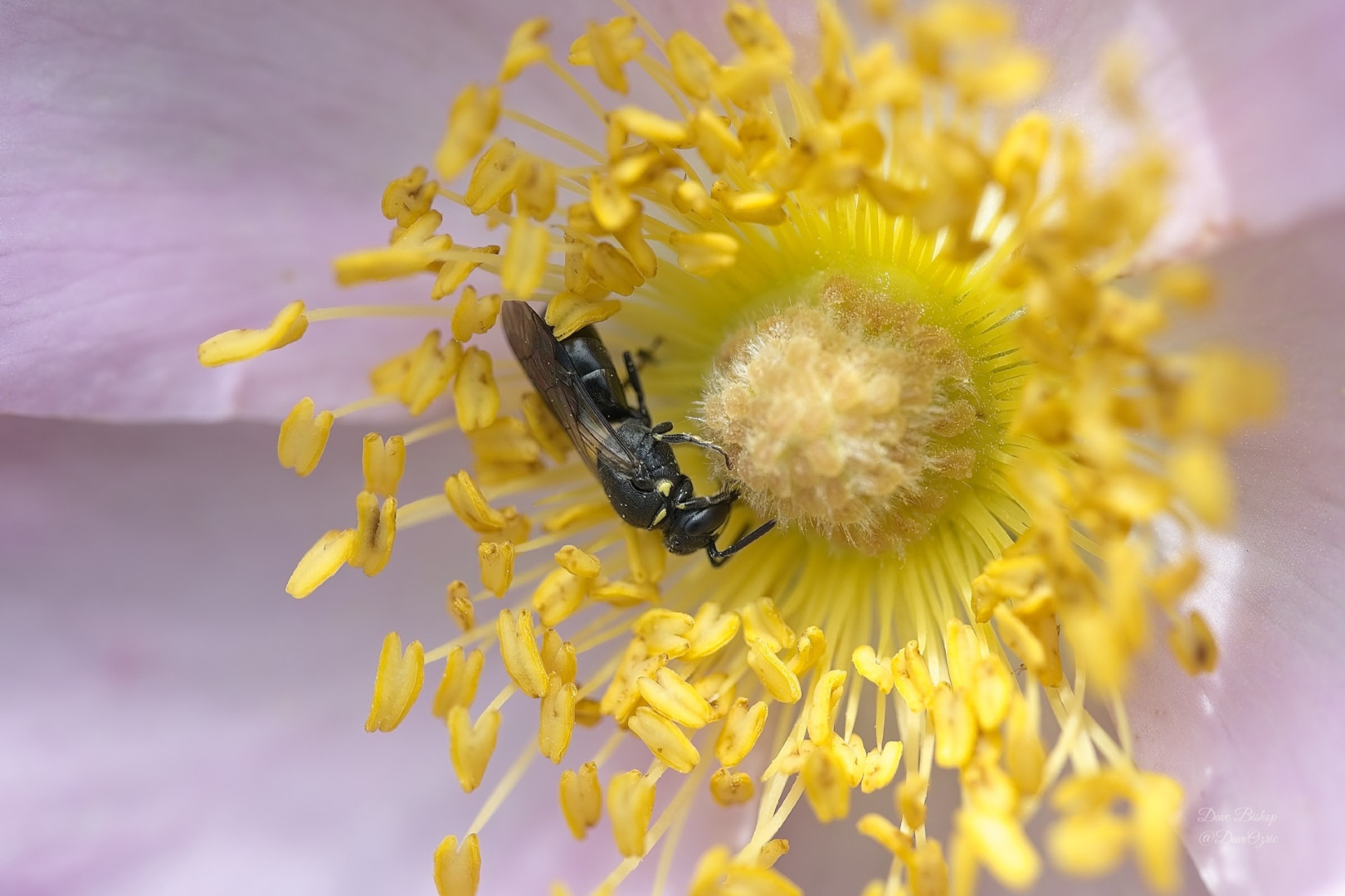
Masked Bee on a native rose flower
Masked Bee on a native rose flower

-
Rusty-patched Bumblebee (federally endangered)
Rusty-patched Bumblebee (federally endangered)

-
Rusty-patched Bumblebee (federally endangered)
Rusty-patched Bumblebee (federally endangered)

-
Eastern carpenter bee on Blue sage (Salvia azurea) flower
Eastern carpenter bee on Blue sage (Salvia azurea) flower

-
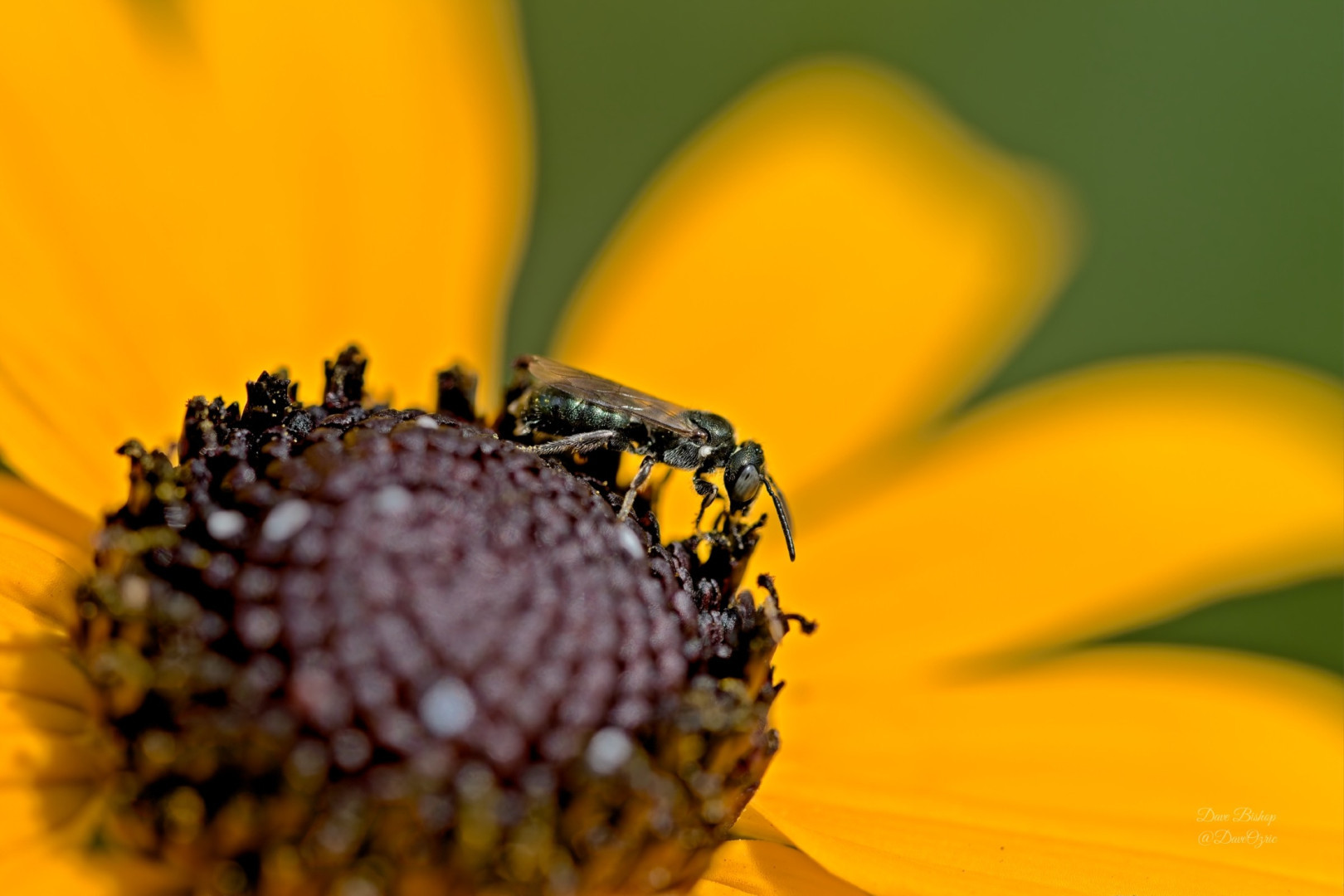
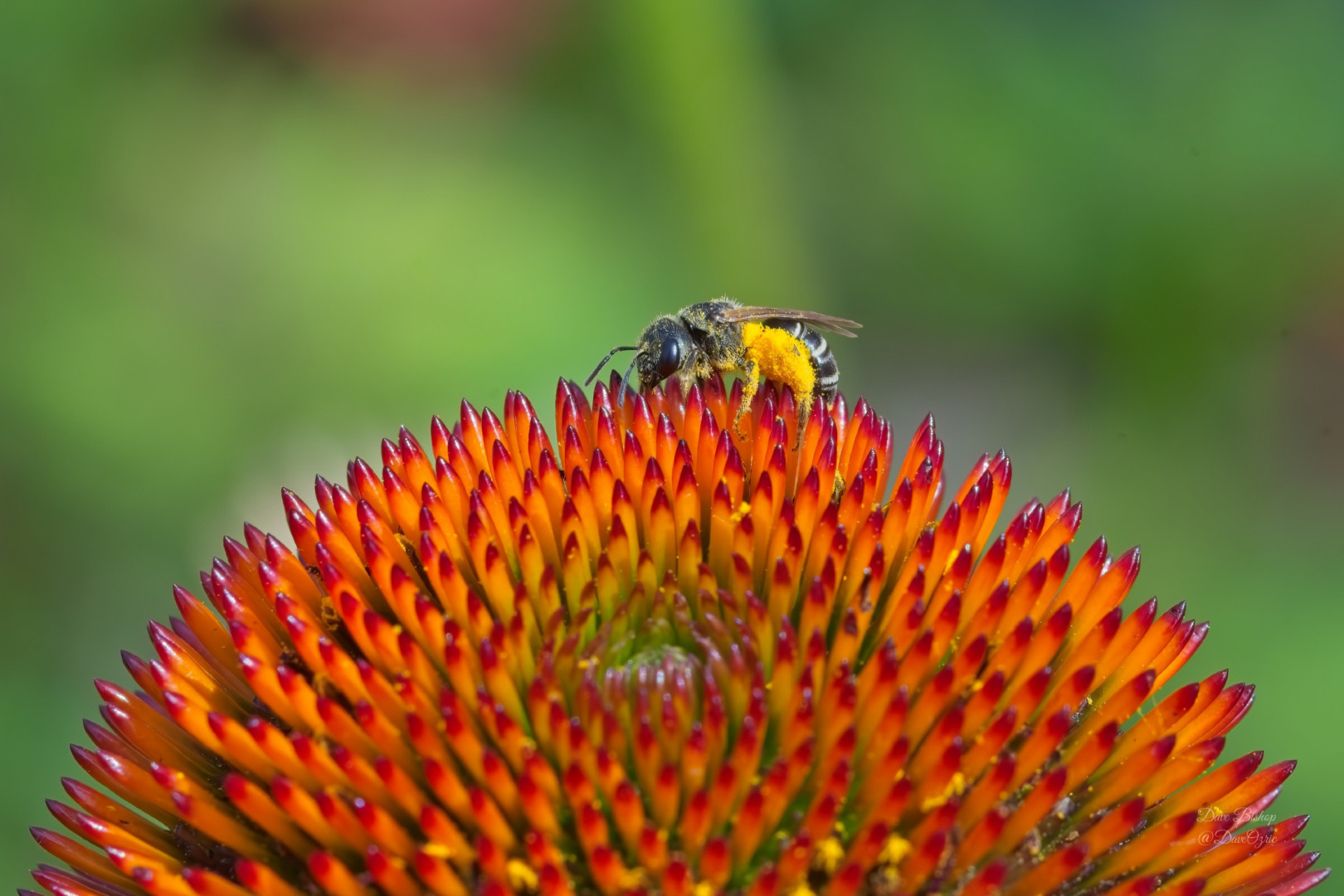
Possible Spurred Ceratina (Ceratina calcarata) native bee on Orange Coneflower in Wisconsin
Possible Spurred Ceratina (Ceratina calcarata) native bee on Orange Coneflower in Wisconsin

-
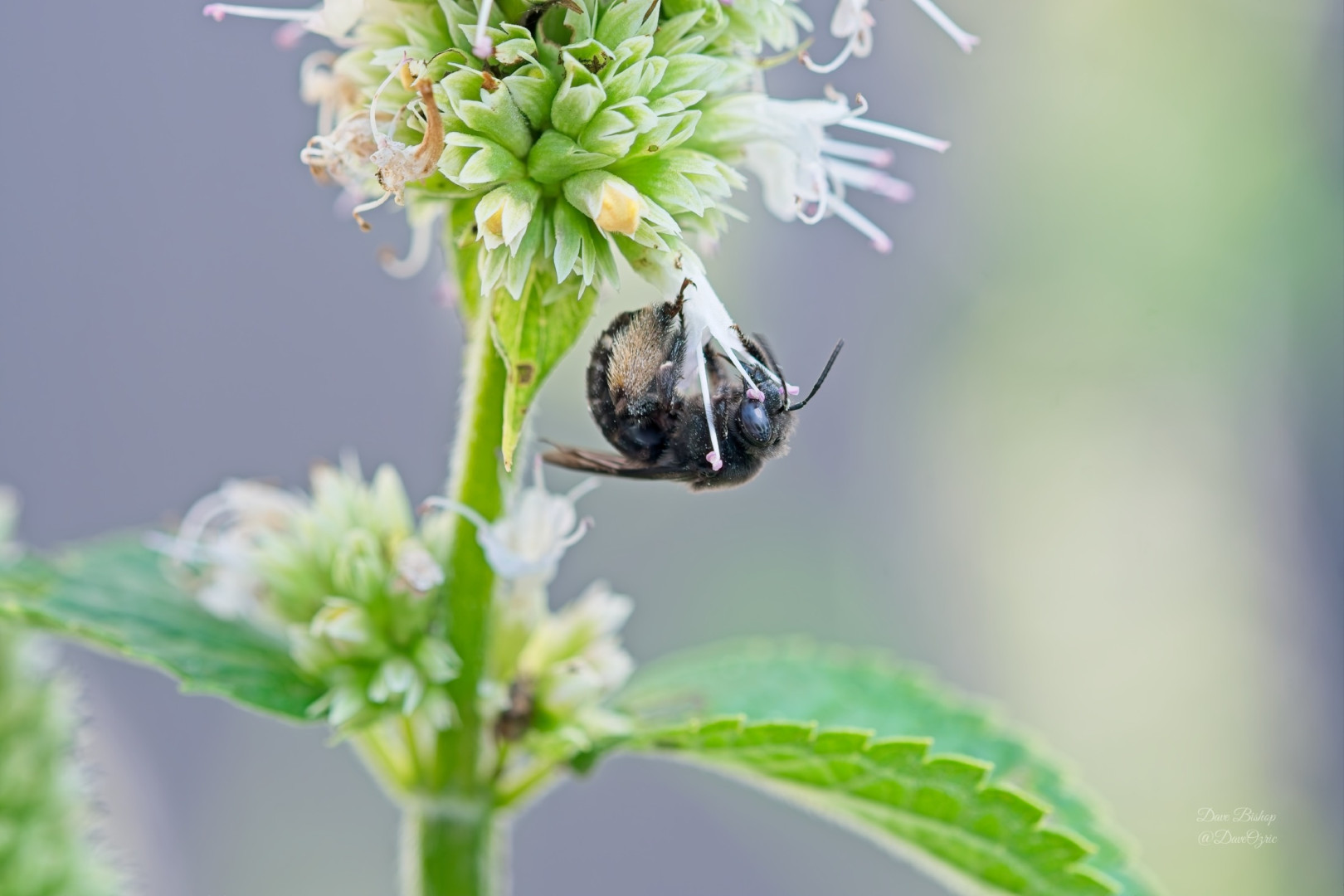
Two-spotted Longhorn Bee (Melissodes bimaculatus) on Purple Giant Hyssop flower in Wisconsin
Two-spotted Longhorn Bee (Melissodes bimaculatus) on Purple Giant Hyssop flower in Wisconsin

-
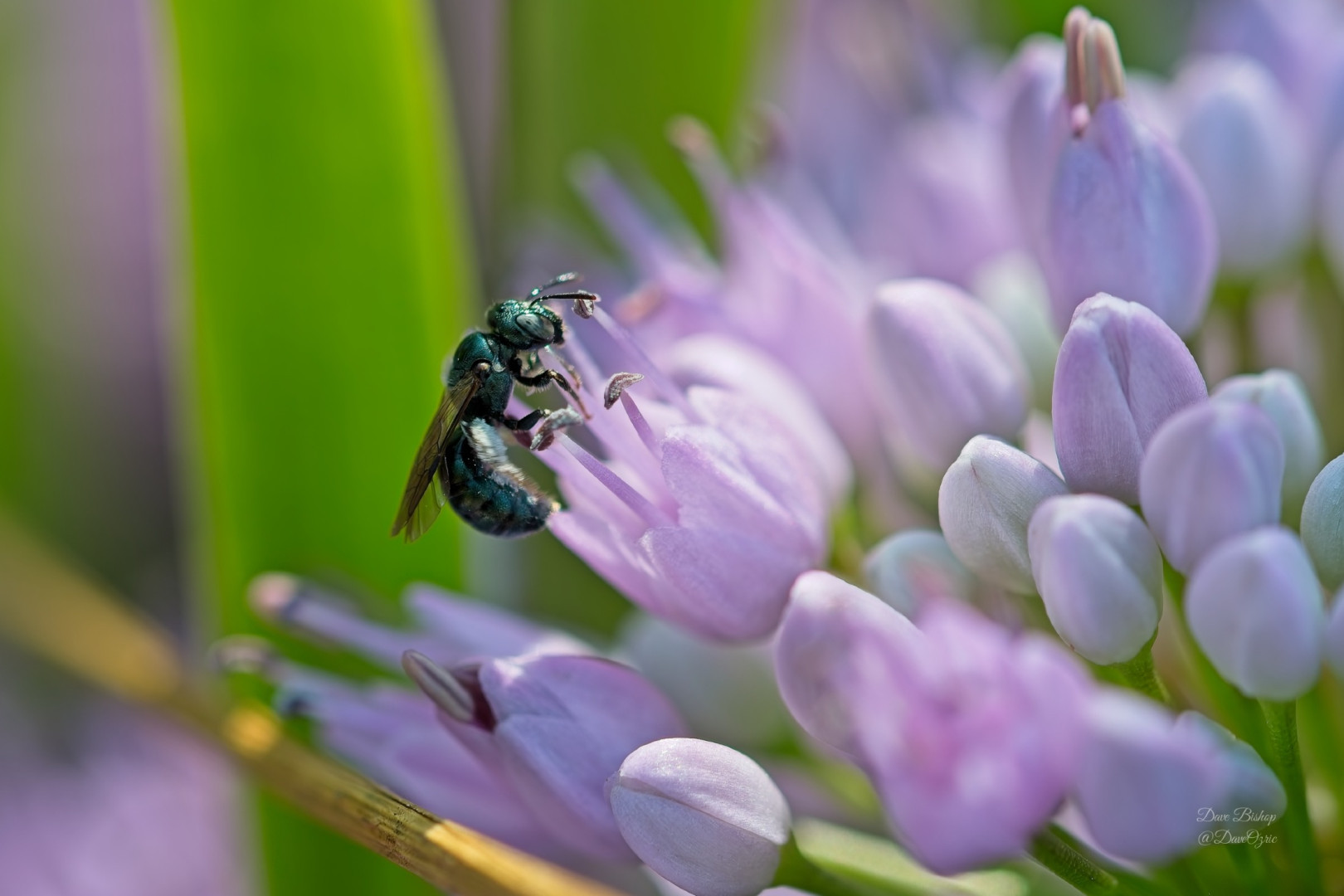
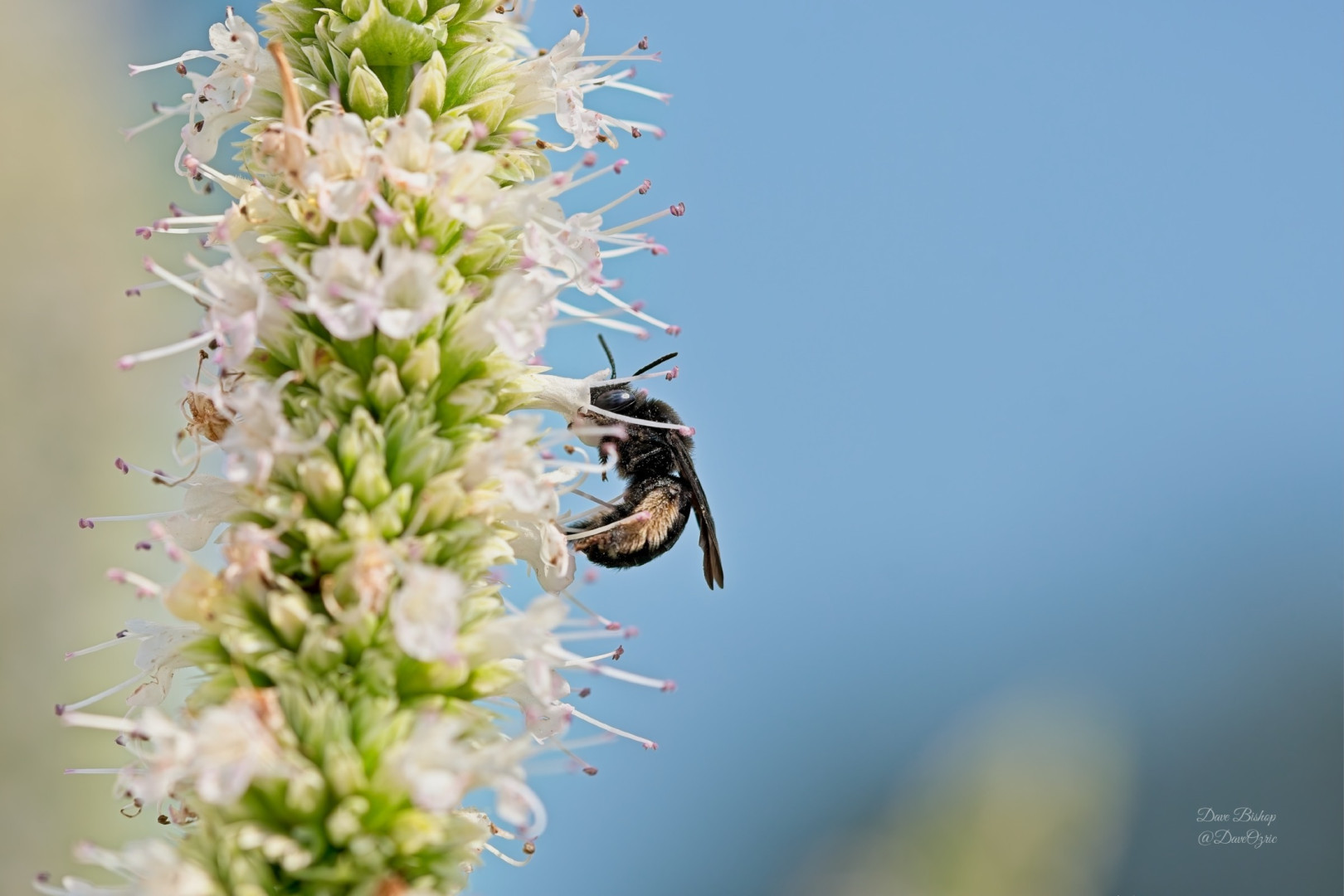
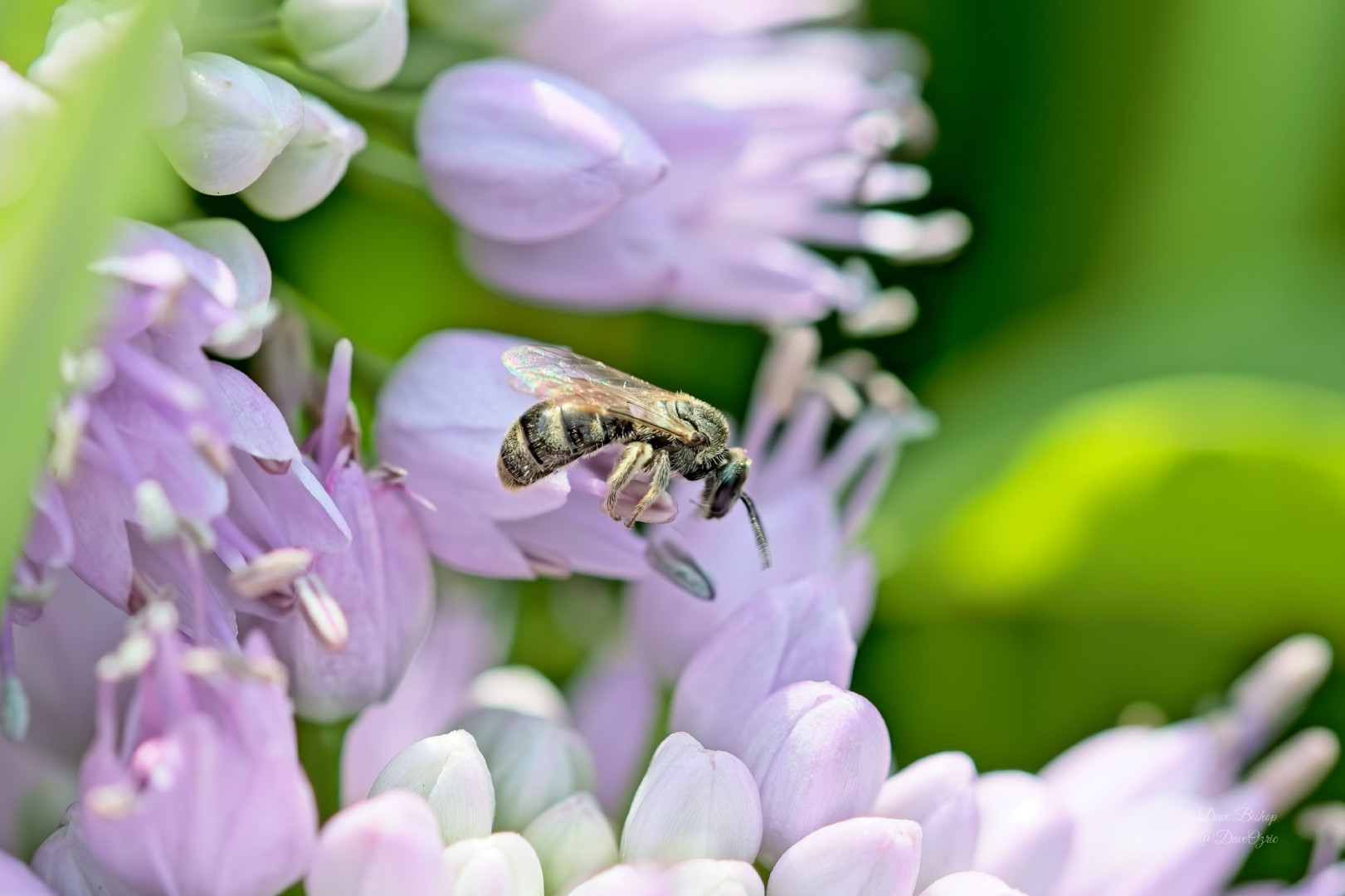
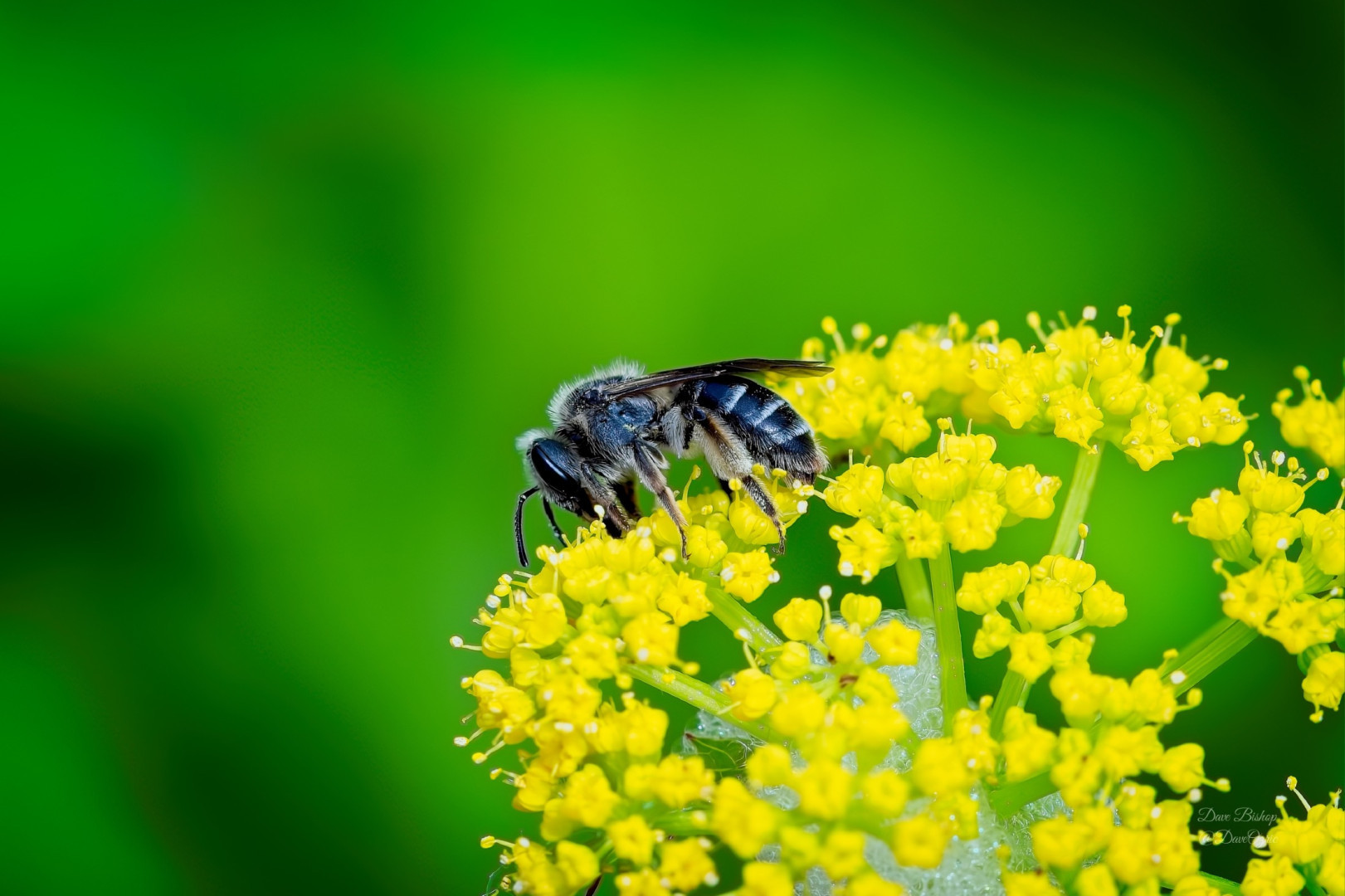
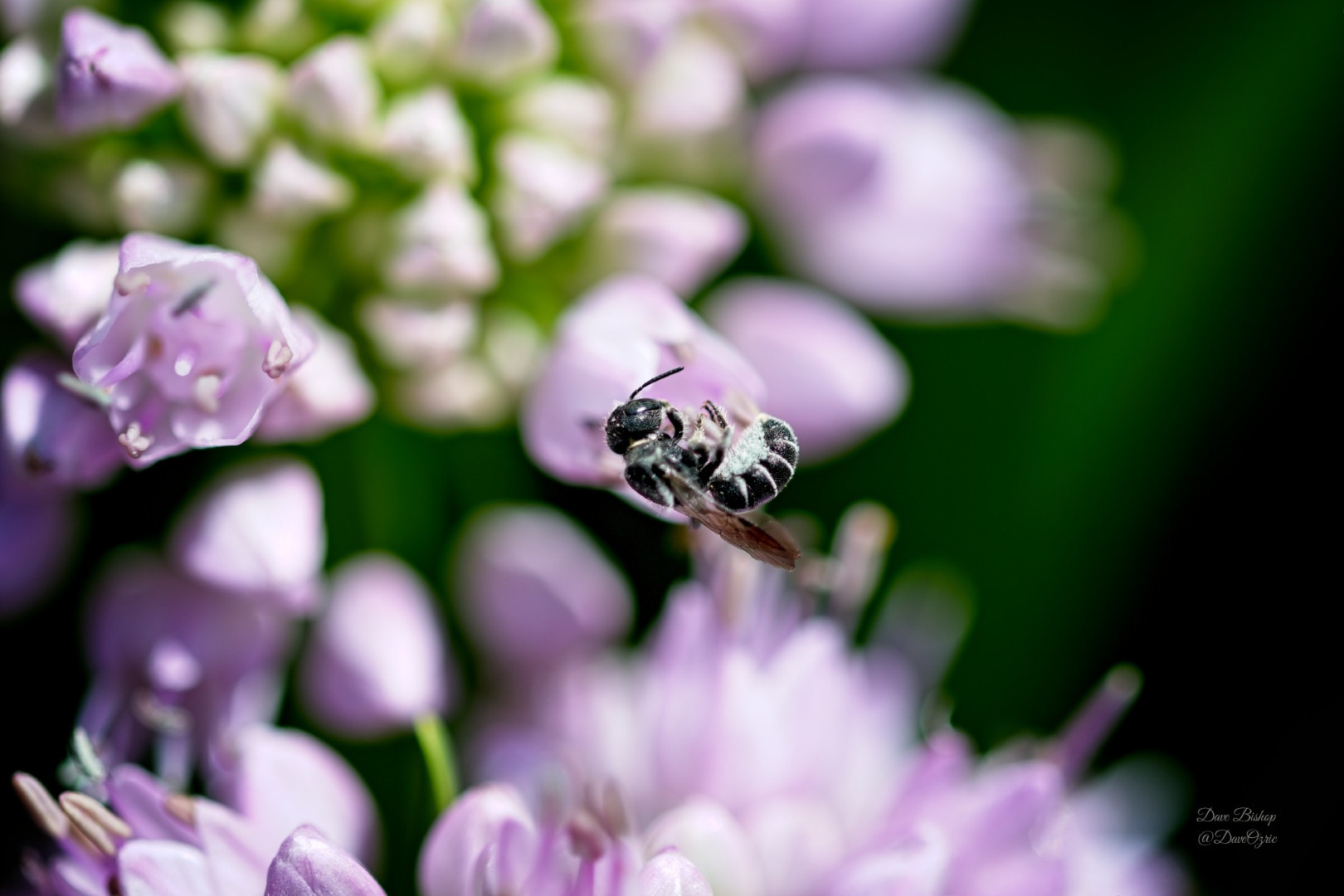
Possible Spurred Ceratina (Ceratina calcarata) on Prairie Onion flower
Possible Spurred Ceratina (Ceratina calcarata) on Prairie Onion flower

-
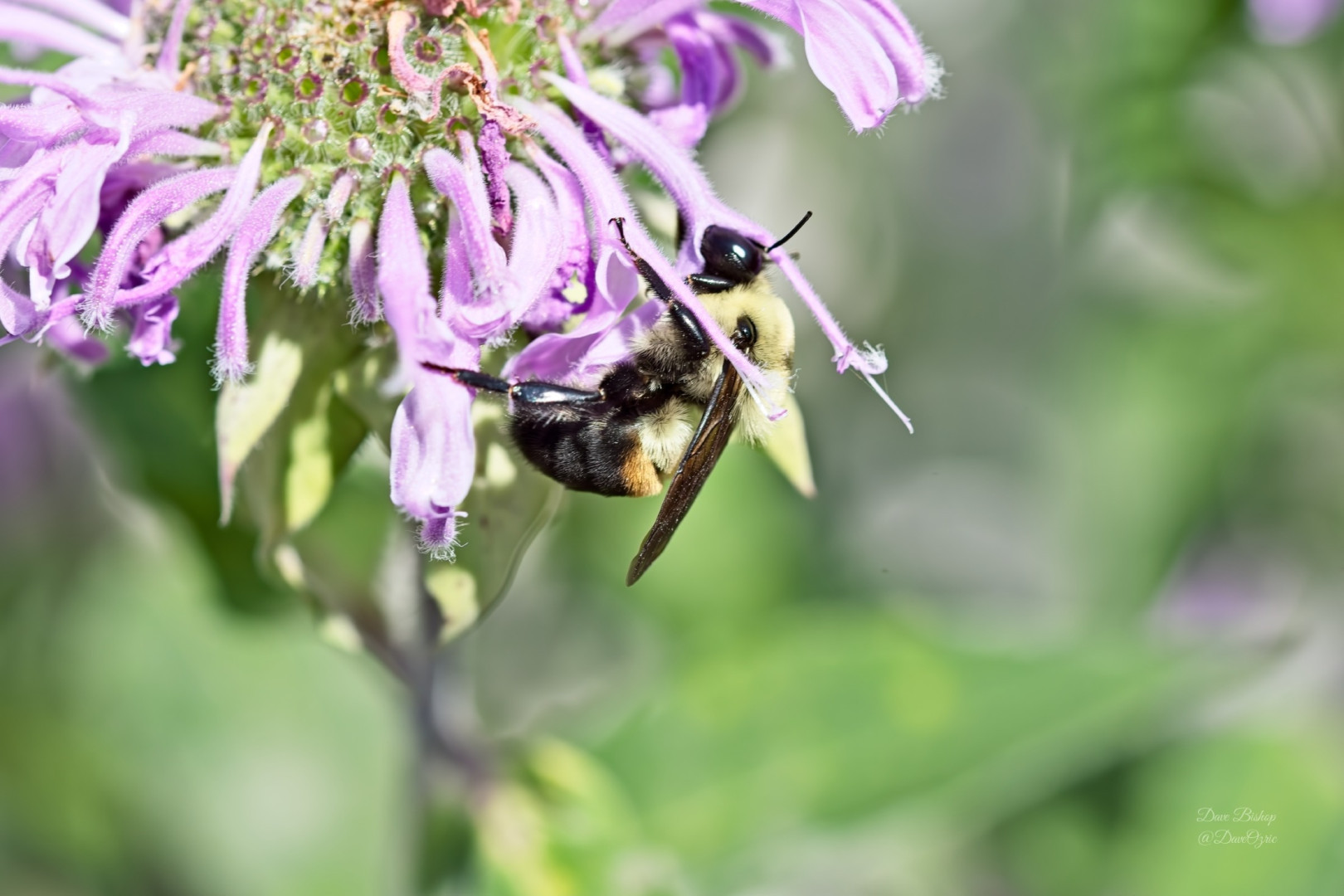
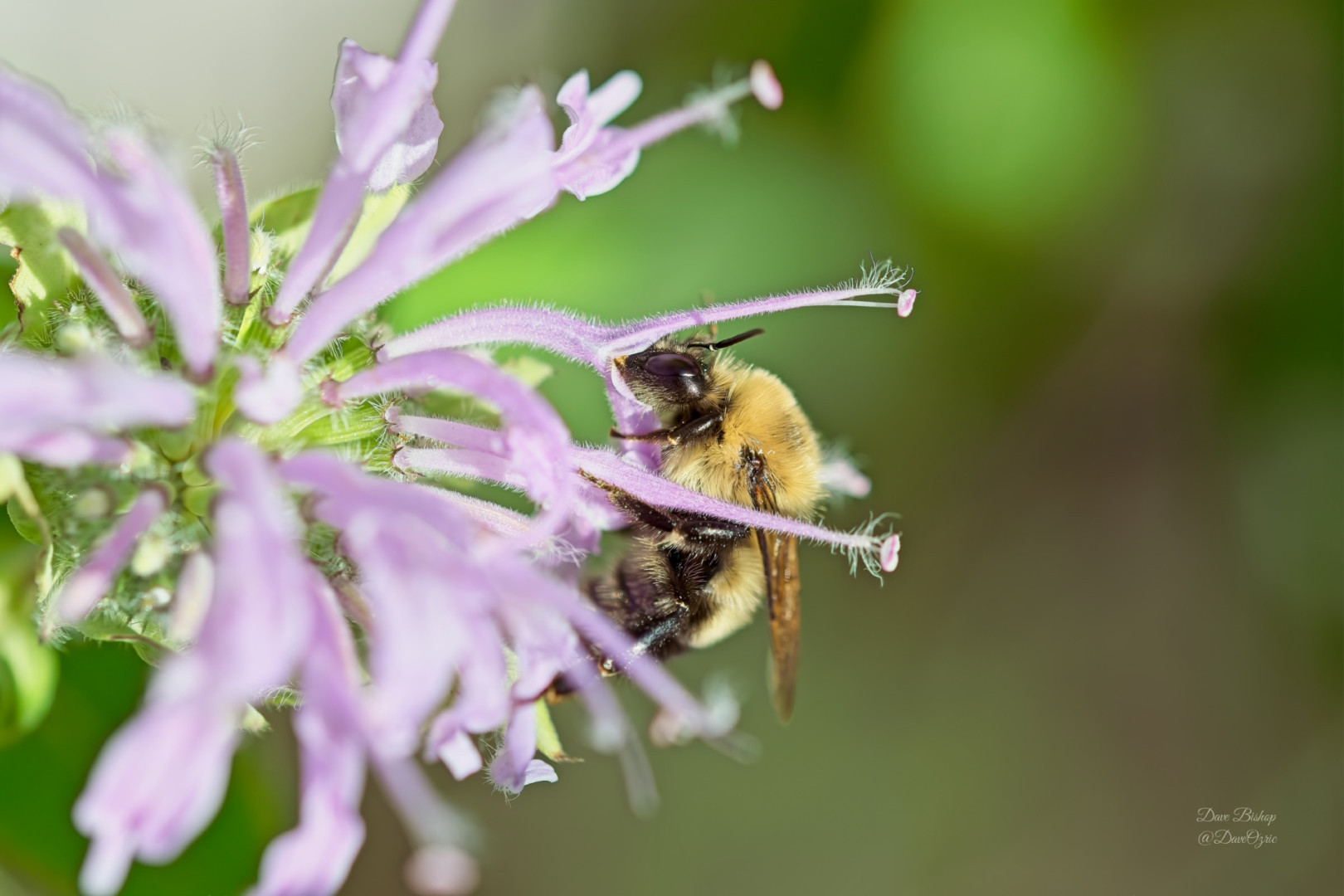
Brown-belted Bumble Bee (Bombus griseocollis) on (Monarda fistulosa) Wild Bergamot
Brown-belted Bumble Bee (Bombus griseocollis) on (Monarda fistulosa) Wild Bergamot

-
Two-spotted Longhorn Bee (Melissodes bimaculatus) on Purple Giant Hyssop flower
Two-spotted Longhorn Bee (Melissodes bimaculatus) on Purple Giant Hyssop flower

-
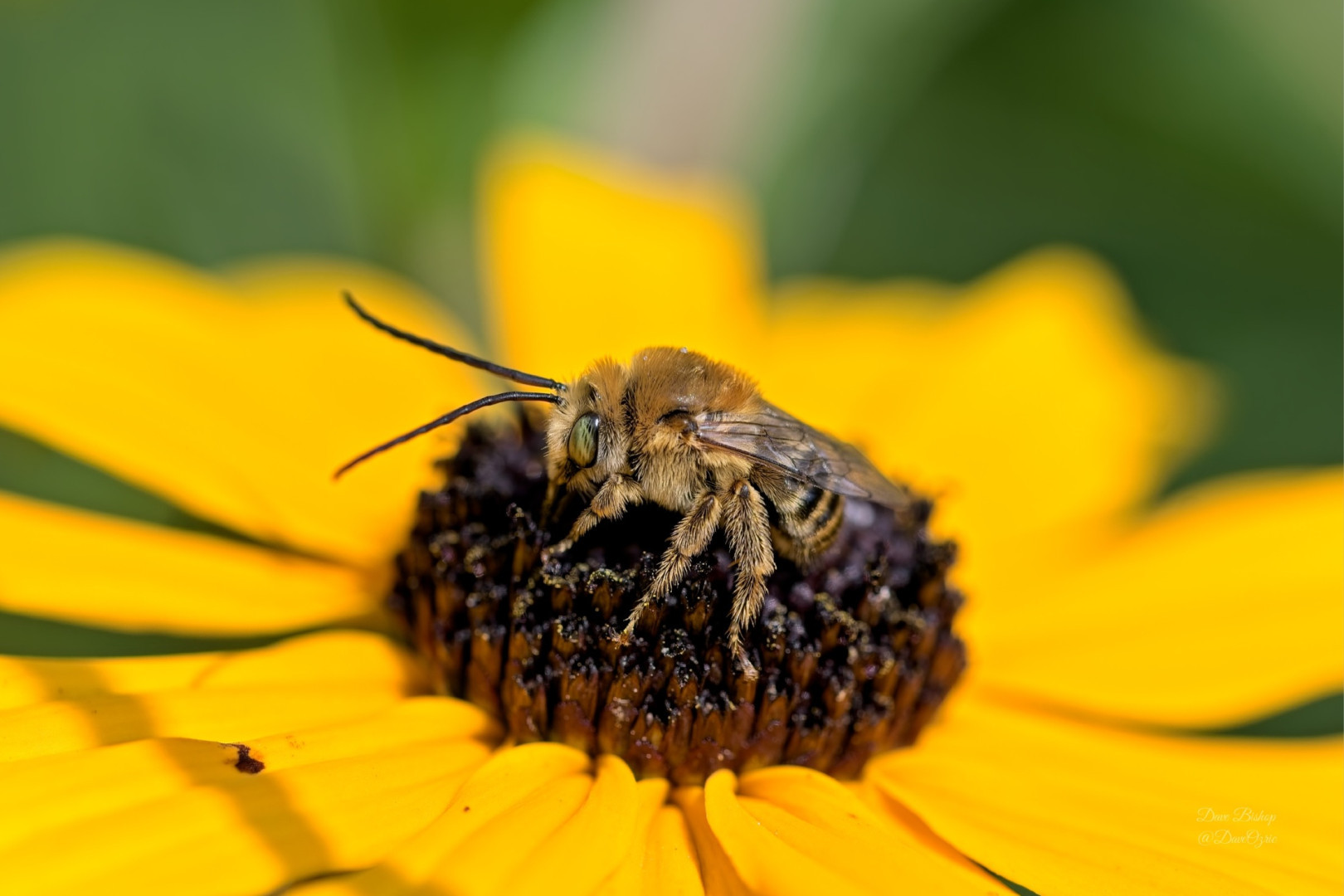
Possible Dark-veined Longhorn Bee (Melissodes trinodis) on Orange Coneflower
Possible Dark-veined Longhorn Bee (Melissodes trinodis) on Orange Coneflower

-
Dark-veined Longhorn Bee (Melissodes trinodis) on Goldenrod flowers
Dark-veined Longhorn Bee (Melissodes trinodis) on Goldenrod flowers

-
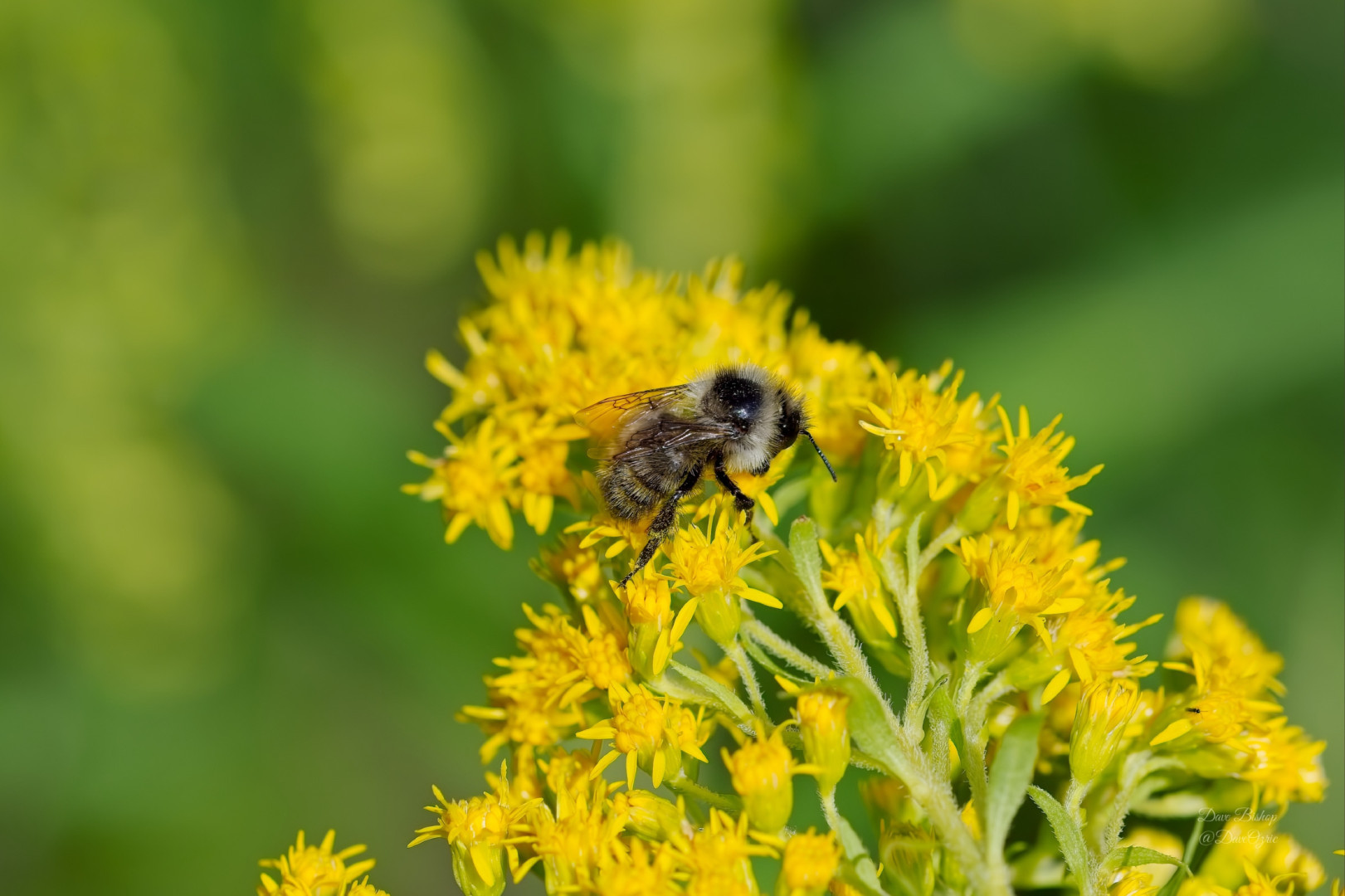
Red-belted Bumble Bee (Bombus rufocinctus) on Goldenrod flower
Red-belted Bumble Bee (Bombus rufocinctus) on Goldenrod flower

-
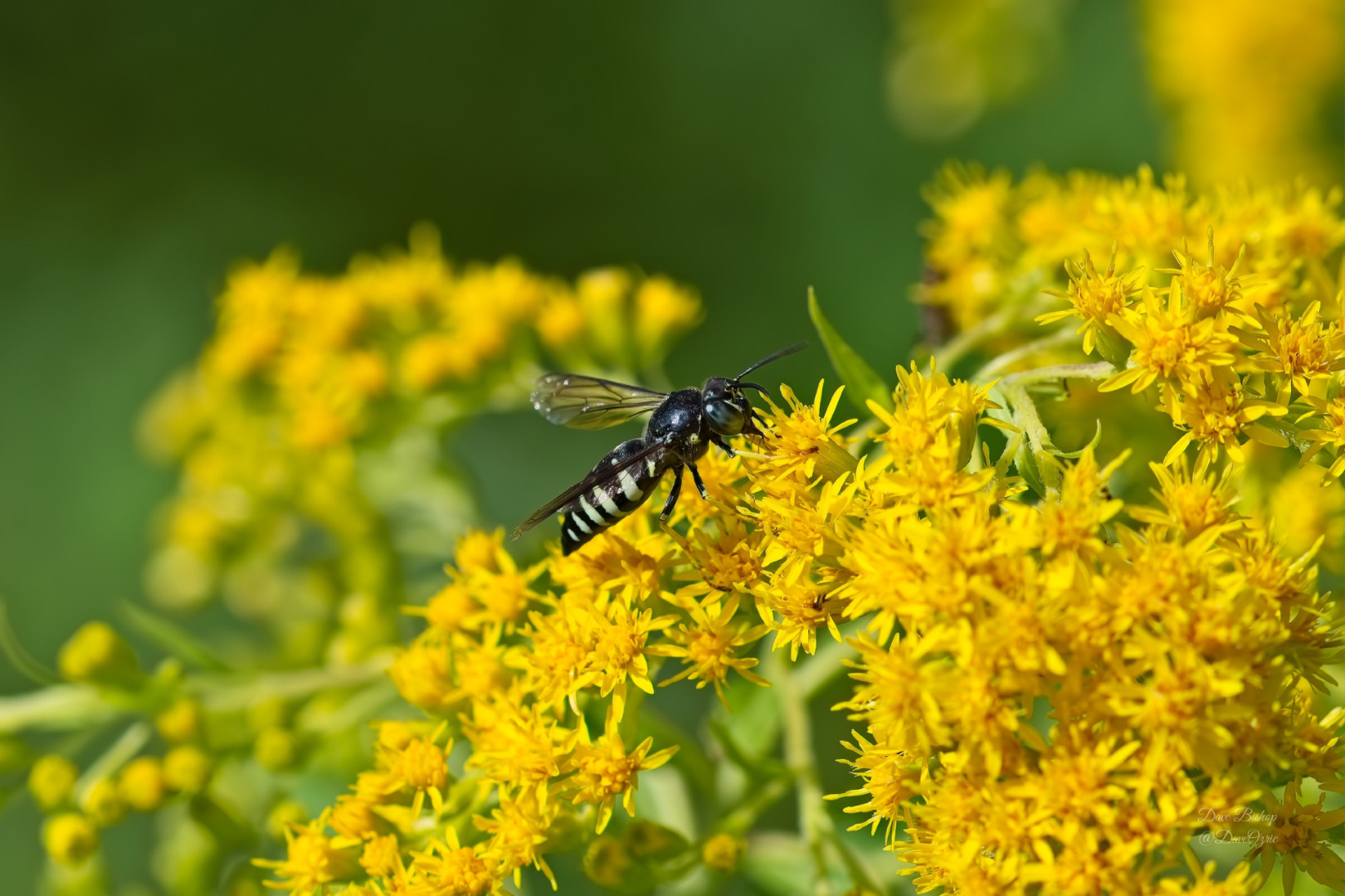
Possible Bellflower Resin Bee (Megachile campanulae) on Goldenrod flower
Possible Bellflower Resin Bee (Megachile campanulae) on Goldenrod flower

-
Native sweat bee on Prairie onion flower
Native sweat bee on Prairie onion flower

-
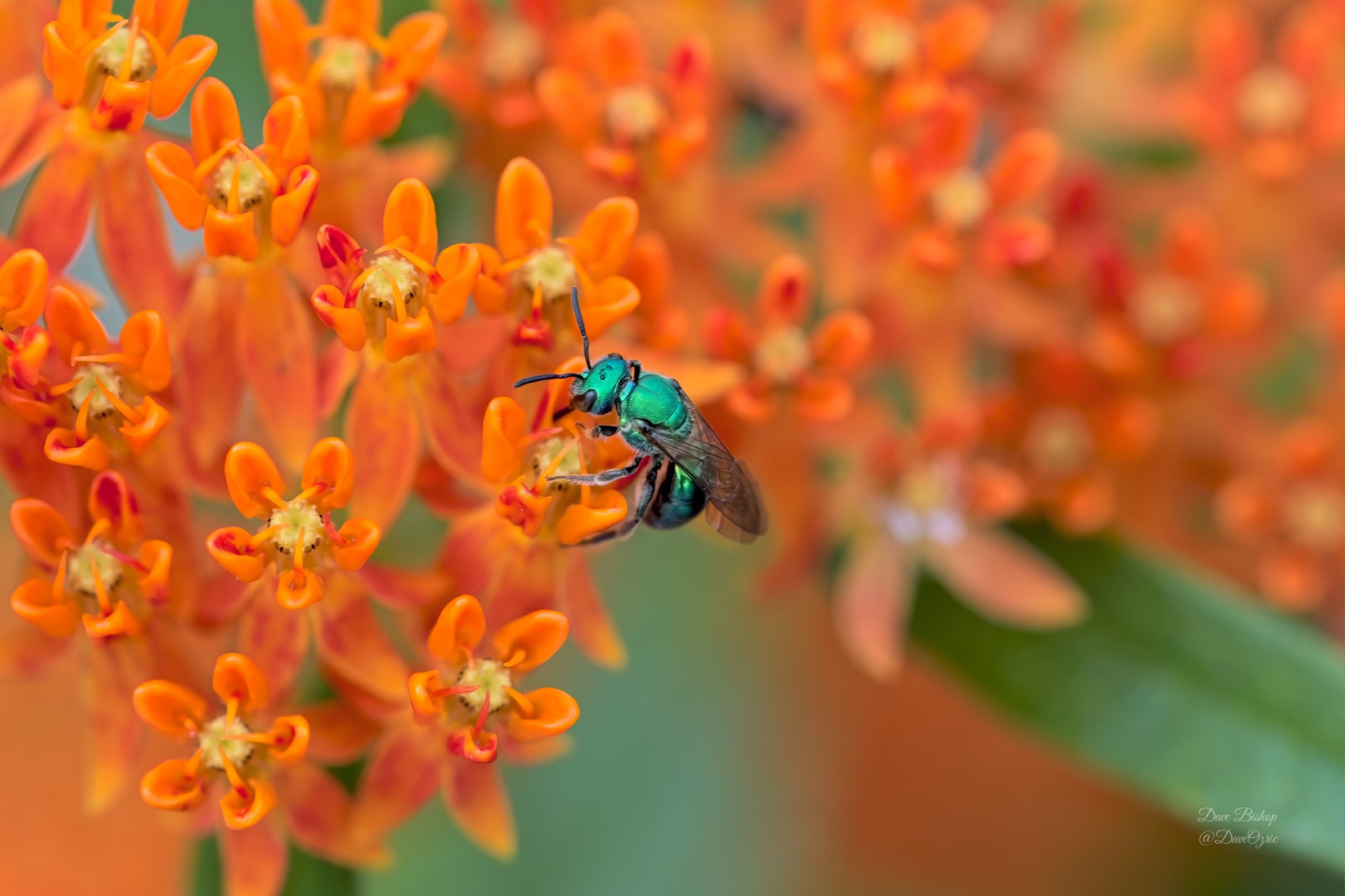
Pure Green Sweat Bee (Augochlora pura) on Butterfly milkweed (Asclepias tuberosa) flowers
Pure Green Sweat Bee (Augochlora pura) on Butterfly milkweed (Asclepias tuberosa) flowers

-
Two-spotted Bumble Bee (Bombus bimaculatus) on (Monarda fistulosa) Wild Bergamot flower
Two-spotted Bumble Bee (Bombus bimaculatus) on (Monarda fistulosa) Wild Bergamot flower

-
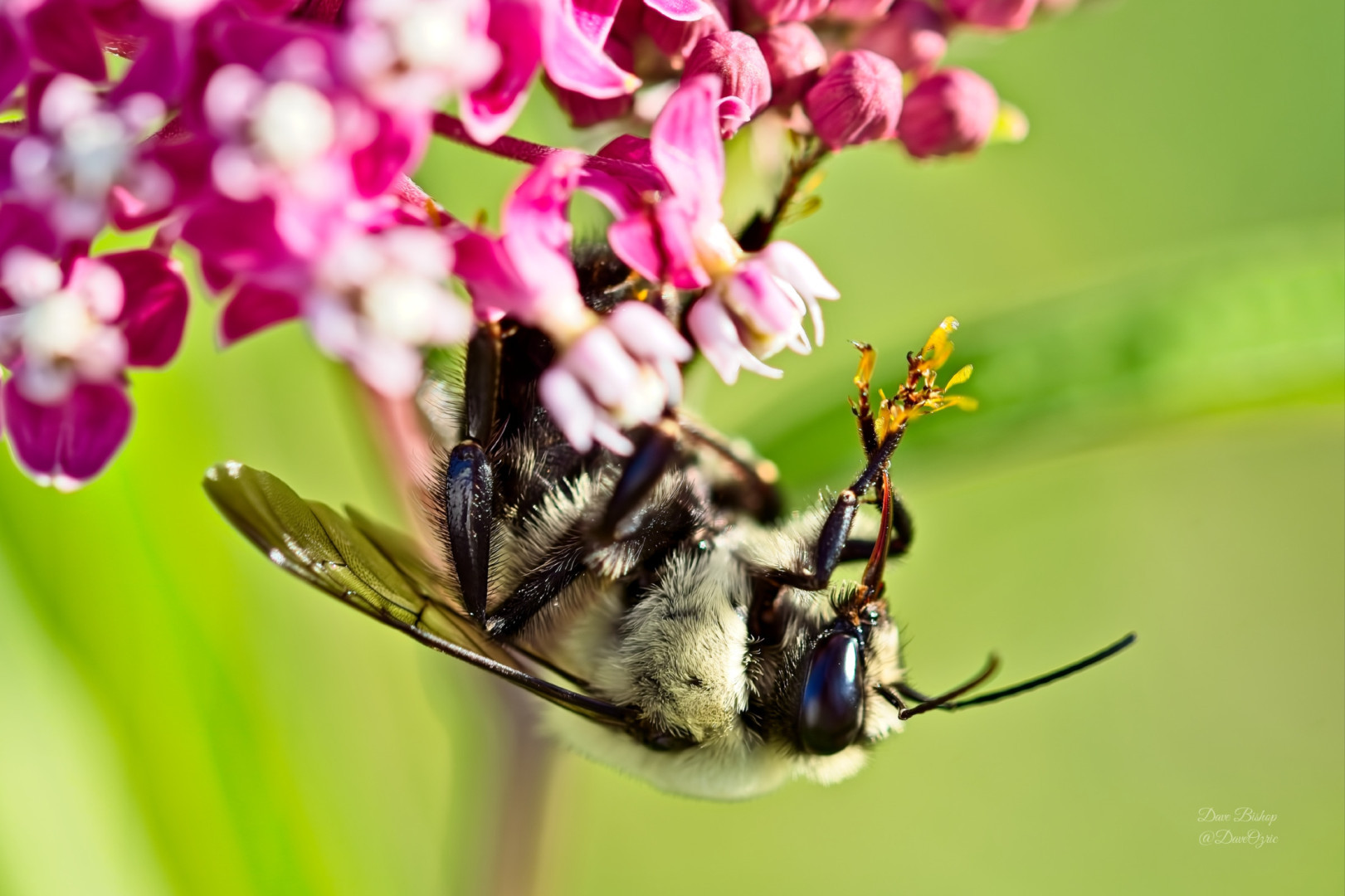
Brown-belted Bumble Bee (Bombus griseocollis) on Swamp milkweed (Asclepias incarnata) flower with pollinia stuck to its legs
Brown-belted Bumble Bee (Bombus griseocollis) on Swamp milkweed (Asclepias incarnata) flower with pollinia stuck to its legs

-
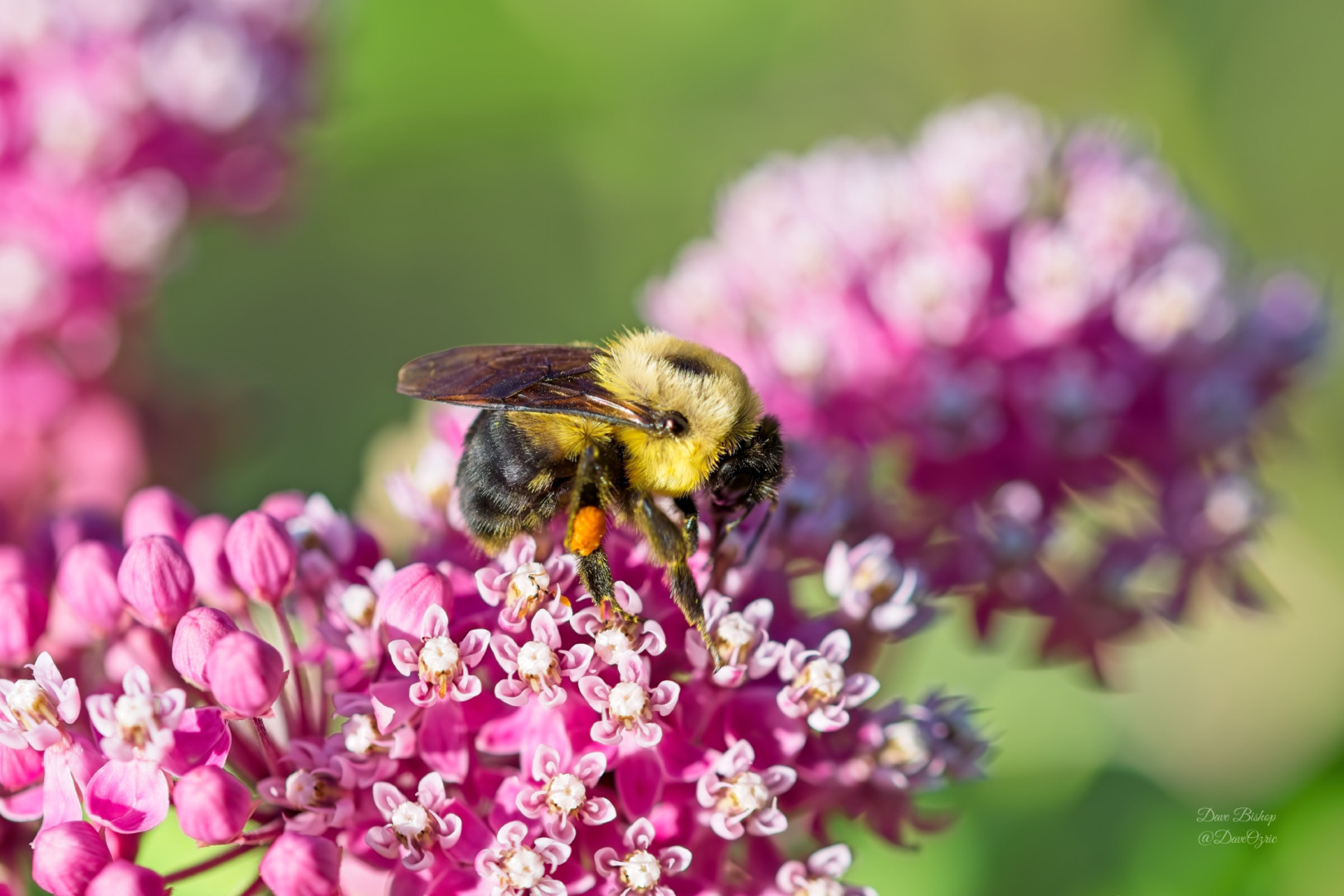
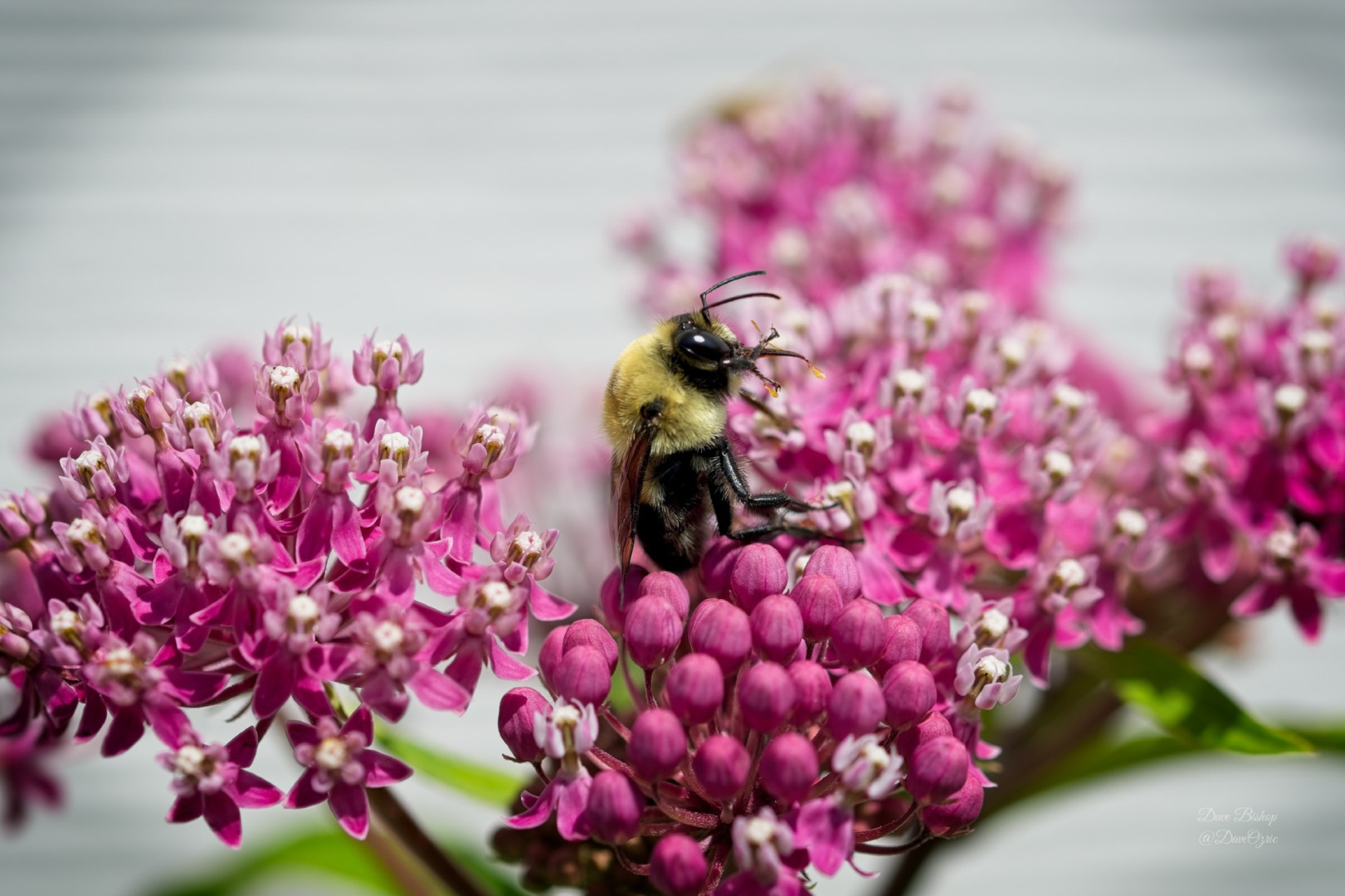
Brown-belted Bumble Bee (Bombus griseocollis) on Swamp milkweed (Asclepias incarnata) flower
Brown-belted Bumble Bee (Bombus griseocollis) on Swamp milkweed (Asclepias incarnata) flower

-
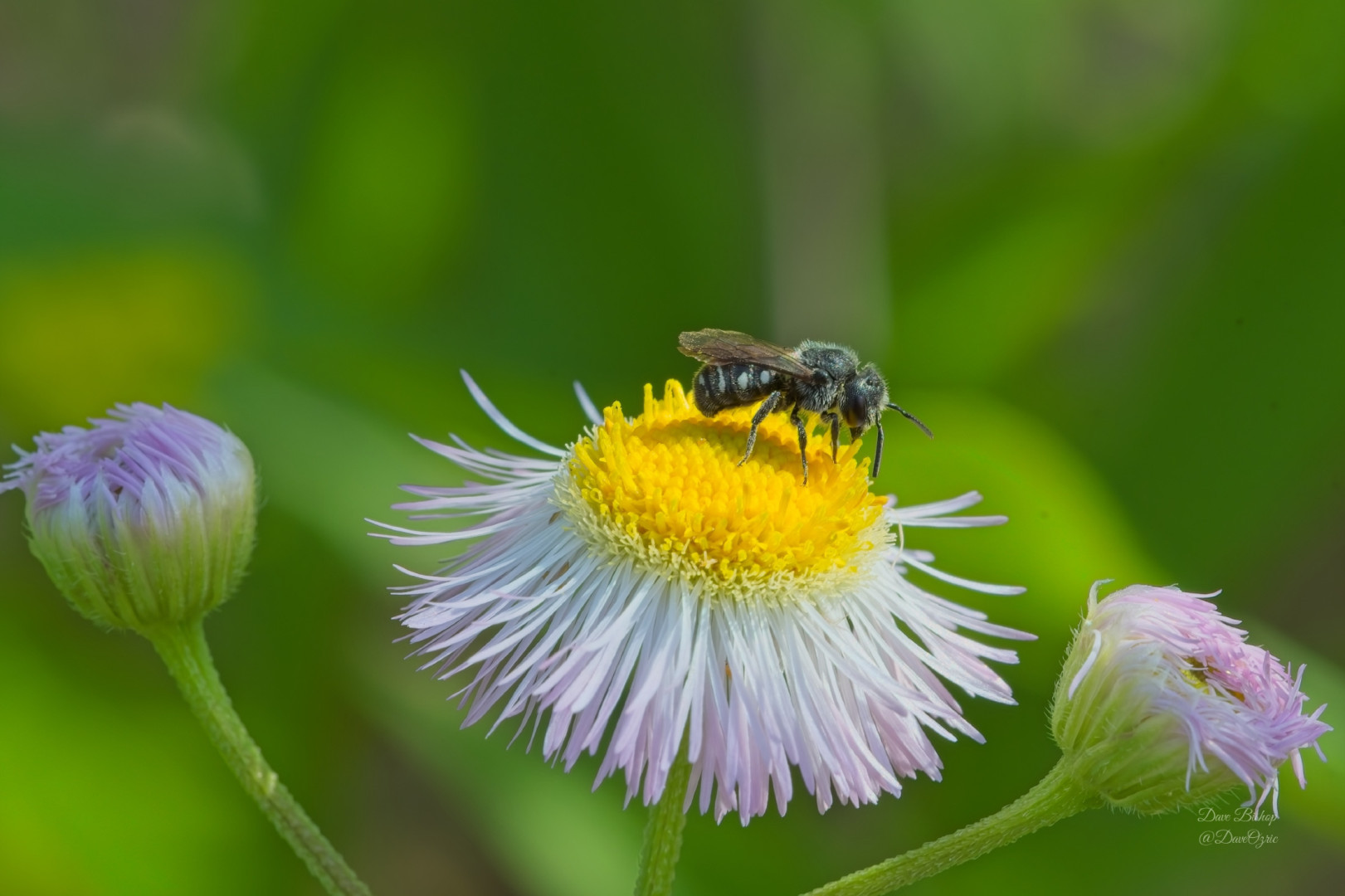
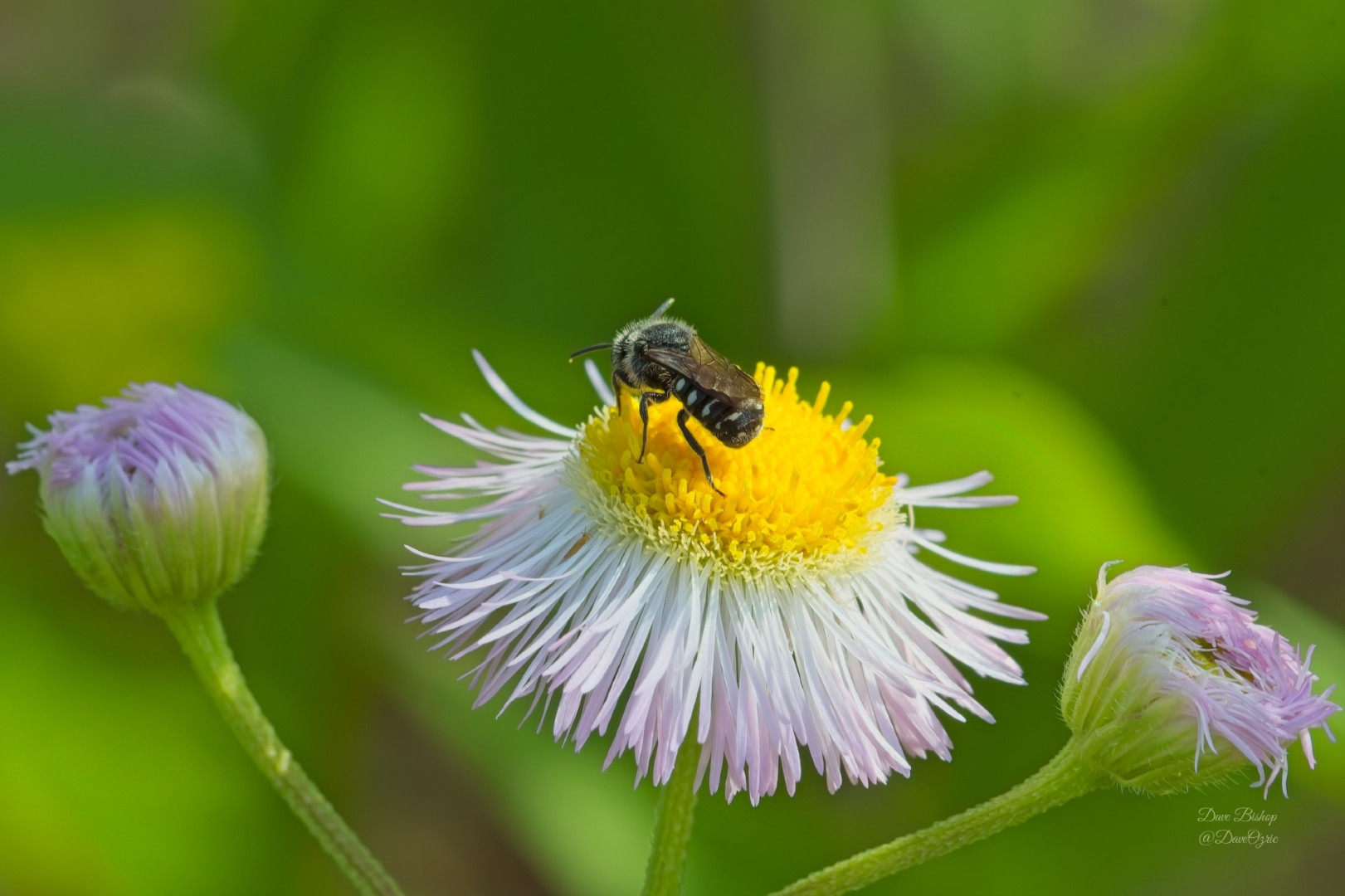
Spot-sided Dark Bee (Stelis lateralis) on Daisy fleabane flower
Spot-sided Dark Bee (Stelis lateralis) on Daisy fleabane flower

-
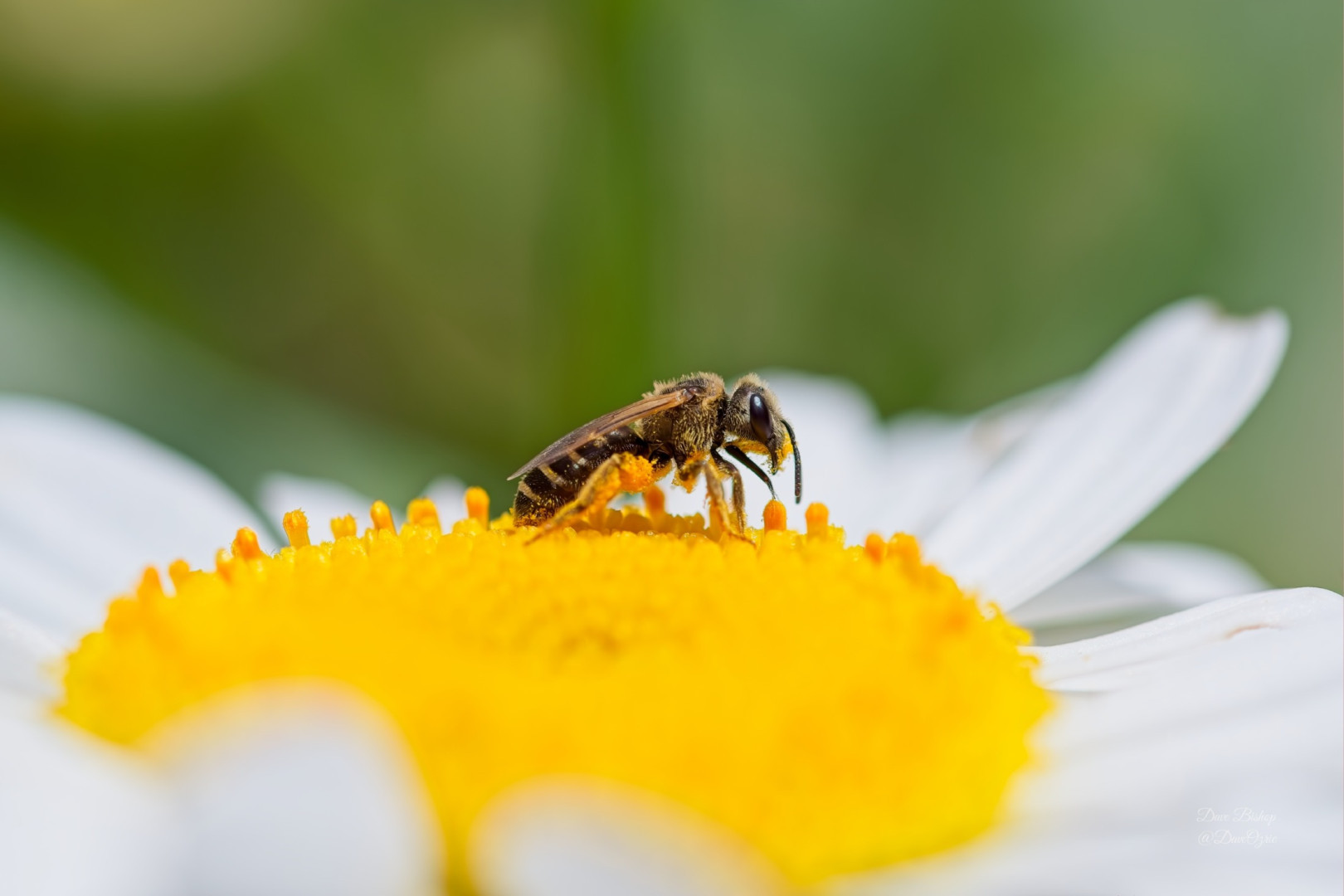
Ligated Furrow Bee (Halictus ligatus) on Purple coneflower
Ligated Furrow Bee (Halictus ligatus) on Purple coneflower

-
Ligated Furrow Bee (Halictus ligatus) on Daisy fleabane flower
Ligated Furrow Bee (Halictus ligatus) on Daisy fleabane flower

-
Possible Mock-orange Scissor Bee (Chelostoma philadelphi) on fleabane flower
Possible Mock-orange Scissor Bee (Chelostoma philadelphi) on fleabane flower

-
Native bumble bee on native flower
Native bumble bee on native flower

-
Small native carpenter bee on fleabane flower
Small native carpenter bee on fleabane flower

-
Possible Cresson's Mining Bee (Andrena cressonii) on goldenrod flowers
Possible Cresson's Mining Bee (Andrena cressonii) on goldenrod flowers

-
Spot-sided Dark Bee (Stelis lateralis) on fleabane flower
Spot-sided Dark Bee (Stelis lateralis) on fleabane flower

-
Native bee on Prairie onion flower
Native bee on Prairie onion flower

-
Brown-belted Bumble Bee (Bombus griseocollis) on Swamp milkweed flower
Brown-belted Bumble Bee (Bombus griseocollis) on Swamp milkweed flower

-
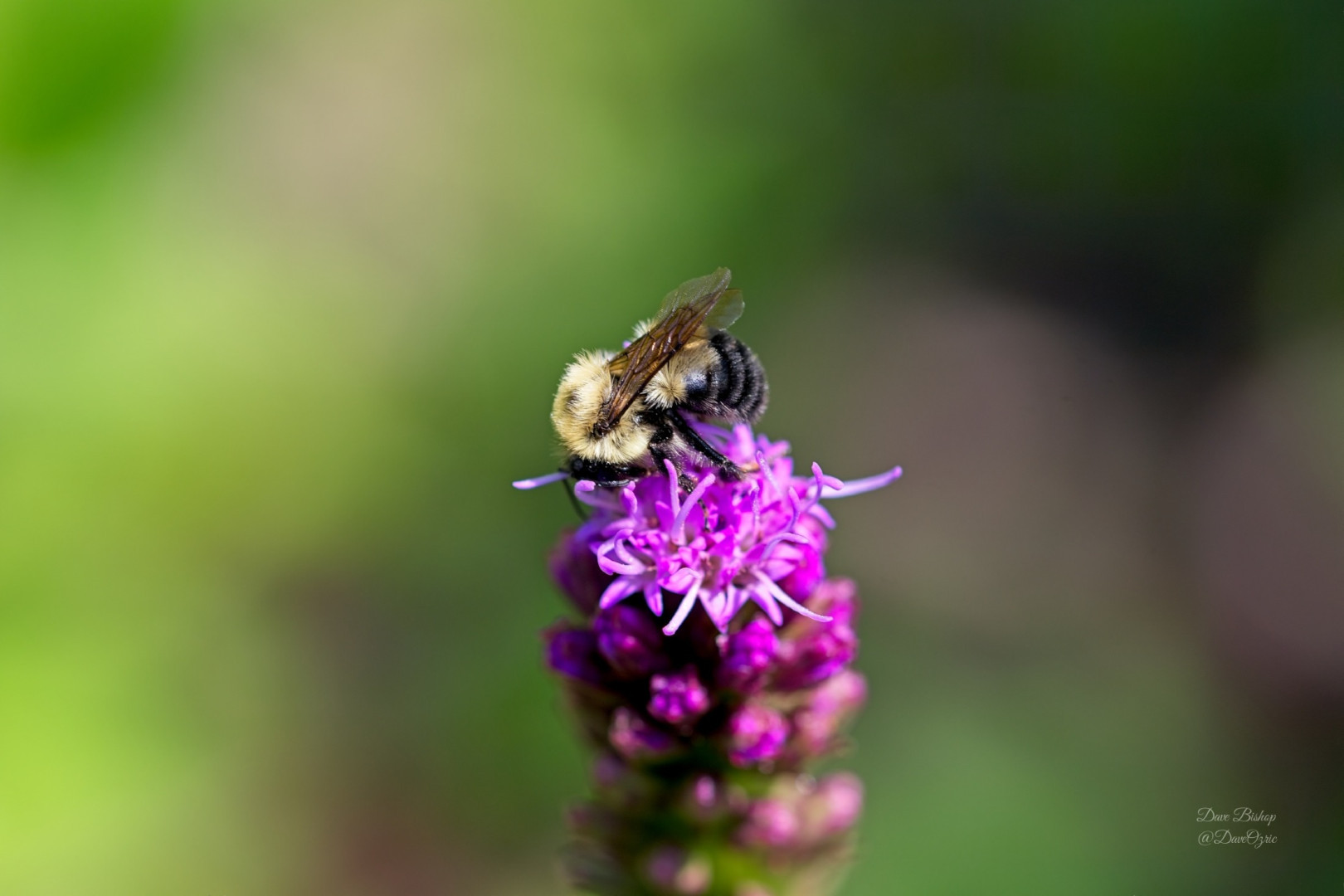
Two-spotted Bumble Bee (Bombus bimaculatus) on Blazing star flower
Two-spotted Bumble Bee (Bombus bimaculatus) on Blazing star flower

-
Tiny native bee. Possibly Plasterer Bees (Family Colletidae)
Tiny native bee. Possibly Plasterer Bees (Family Colletidae)

-
Striped Sweat Bees (Genus Agapostemon)
Striped Sweat Bees (Genus Agapostemon)

-
Small native carpenter bee on fleabane flower
Small native carpenter bee on fleabane flower

-
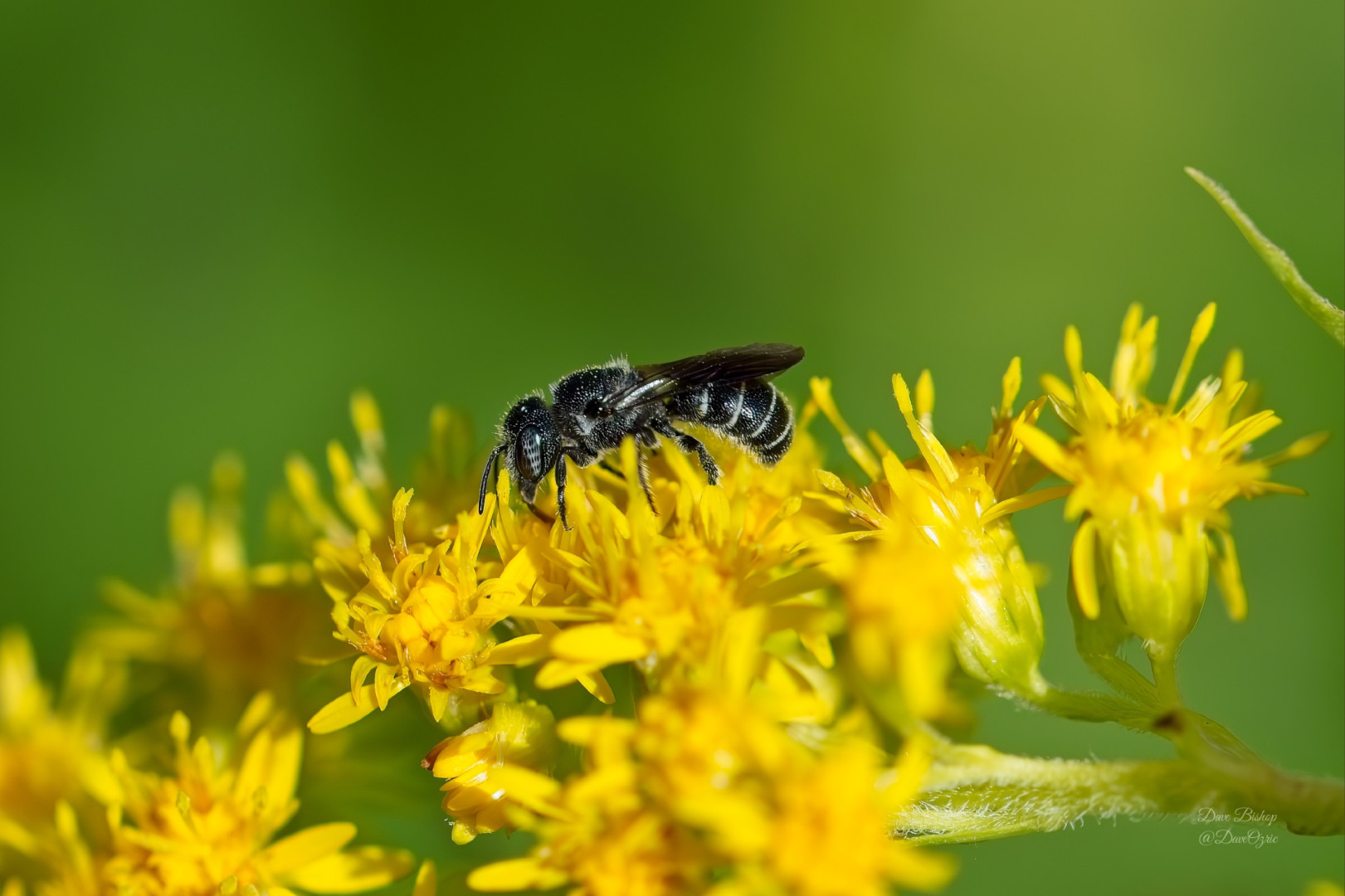
Small native bee on goldenrod flower
Small native bee on goldenrod flower

-
Eastern Carpenter Bee (Xylocopa virginica)
Eastern Carpenter Bee (Xylocopa virginica)

-
Longhorn Bees on Blazing star flower
Longhorn Bees on Blazing star flower

-
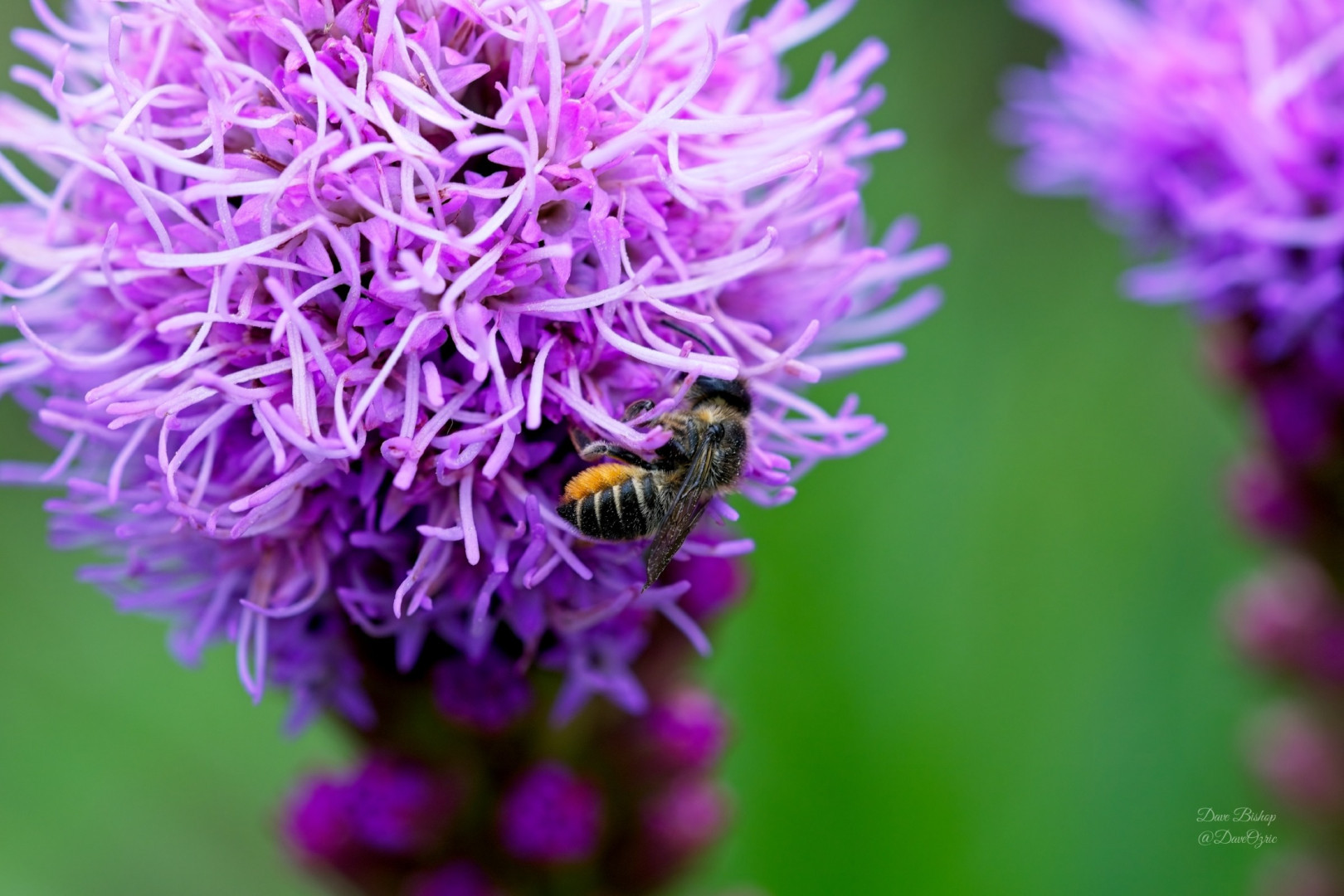
Patchwork Leafcutter Bee (Megachile centuncularis) on Blazing star flower
Patchwork Leafcutter Bee (Megachile centuncularis) on Blazing star flower

-
Eastern Carpenter bee on Swamp milkweed in Wisconsin
Eastern Carpenter bee on Swamp milkweed in Wisconsin