
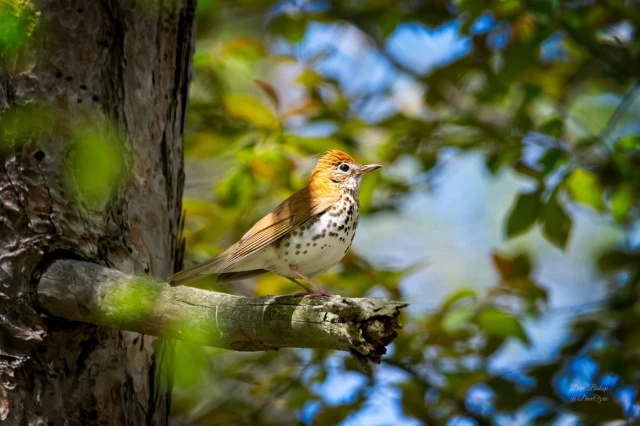
Your yard is more than a patch of grass. It is a critical link in a massive, living network. By shifting our focus from simple aesthetics to ecological function, we can transform fragmented suburbs into vibrant habitat corridors. Discover how native plants and living soils turn small gardens into powerful tools for regional ecosystem restoration.
Habitat Creation: Building for Life
The architecture of a sanctuary.
You do not just plant a habitat. You build it from the ground up. It starts with learning how your land works through the seasons. We focus on the simple things every creature needs to survive. This means making sure your property provides reliable food, clean water, safe cover, and the right spaces to raise the next generation. It is about more than just aesthetics. It is about meeting the functional needs of the species that share your world. We are arranging the stage so that the ancient play of nature can begin again on your property.

Many native bees need old wood to raise their young. This guide shows you how to turn logs, stumps, and dead trees into valuable nesting sites. You will learn where to place wood and how to drill proper holes for different species. It is an easy way to turn garden "debris" into a vital home for pollinators.
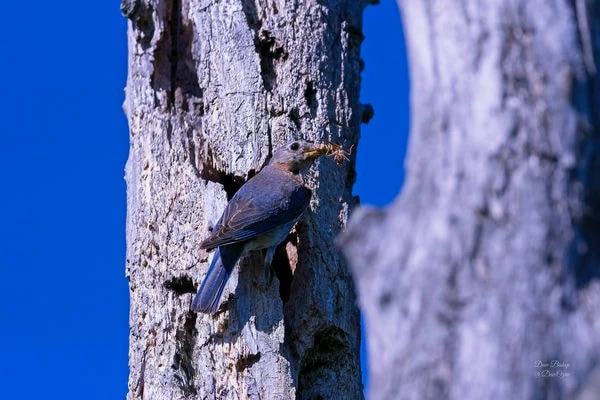
Building a native garden is about more than just picking pretty flowers. This article covers the basics of how food, water, and shelter work together to support local wildlife. We look at why structure matters and how native plants act as the foundation for a healthy backyard. Learn how to think like an ecosystem.
