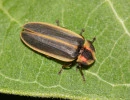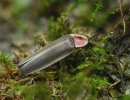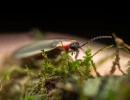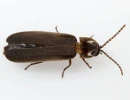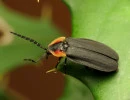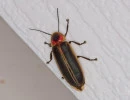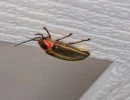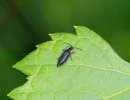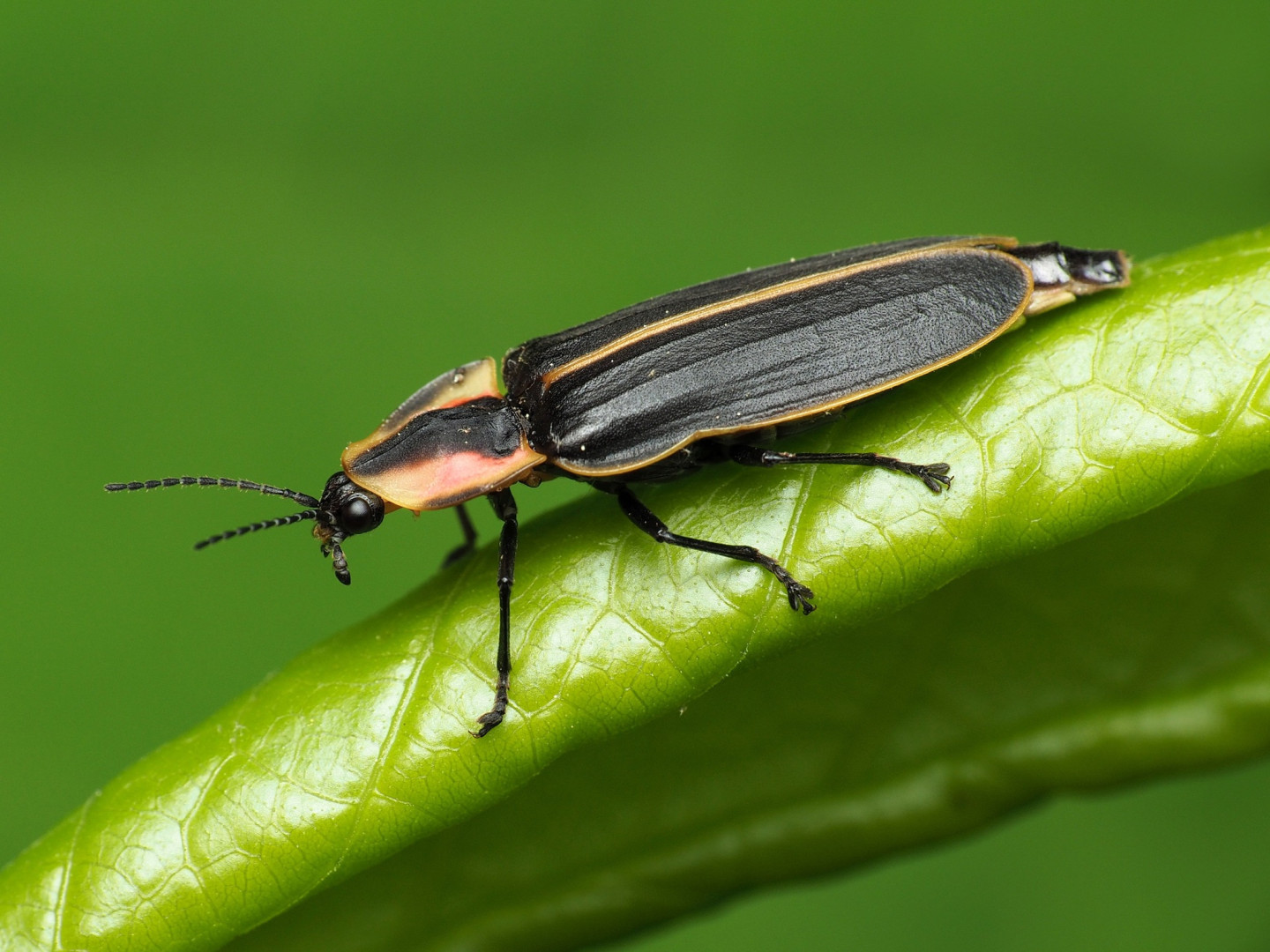
Fireflies of the Midwest
Soil, Native Plants, and the Hidden Life Beneath the Light
Fireflies, often called lightning bugs, are among the most beloved insects of Midwestern summers. Their brief flashes of light feel nostalgic, almost magical. But behind that glow is an insect whose life is deeply tied to soil, decay, moisture, and intact native plant systems.
Fireflies are not simply creatures of summer nights. For most species, the glowing adult stage represents only a small fraction of their lives. The majority of their existence is spent unseen. They live as larvae in soil, leaf litter, and rotting wood for one to two years. Understanding fireflies in the Midwest means understanding soil health, organic matter, and the native plant communities that build and maintain those systems.
This article brings together what is currently known about fireflies in the Midwest, what researchers are actively investigating, and what landowners and gardeners can realistically do to support them.
Fireflies Are Beetles and Soil Organisms
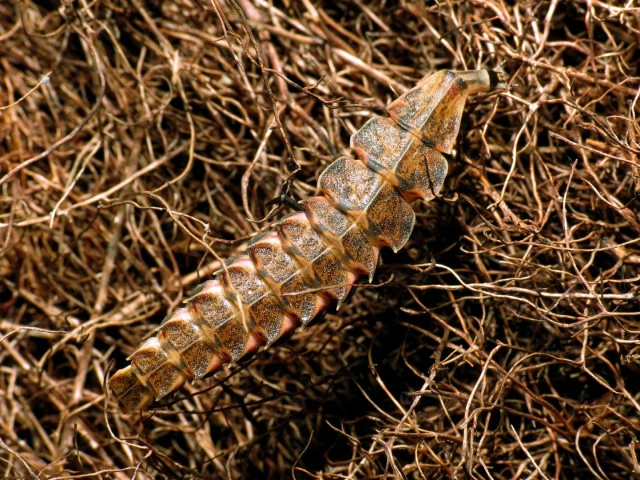
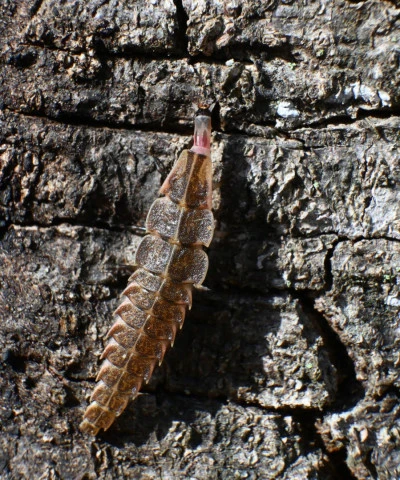
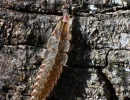
Fireflies belong to the beetle family Lampyridae. While adults are best known for their bioluminescent courtship displays, firefly larvae are predators that live in the soil and leaf litter. They feed primarily on soft-bodied invertebrates such as snails, slugs, earthworms, and other small soil organisms.
This has a major implication that is often overlooked. Firefly conservation is not primarily about flowers. It is about soil structure, organic matter, moisture, and the complex food webs that develop when land is allowed to function more like an ecosystem and less like a lawn.
If the soil is dry, compacted, stripped of leaf litter, or biologically simplified, fireflies cannot complete most of their life cycle. This remains true no matter how many flowering plants are present.

Illustration showing firefly life stages and native plant structure
The Midwest Has More Fireflies Than Most People Realize
Many people assume there is only one kind of firefly. In reality, dozens of species occur across the central and eastern United States. Different species have different flash patterns, active seasons, and habitat preferences. Some species, known as dark fireflies, are active during the day and do not use light to communicate at all. Instead, they rely on complex chemical signals.
Firefly researcher Ben Pfeiffer, founder of Firefly Conservation and Research, emphasizes that understanding local species is an important first step in conservation. Without knowing which species occur in an area, it is difficult to understand what habitat features matter most.
Modern community science projects like Firefly Atlas, iNaturalist, and BugGuide are rapidly improving our understanding of Midwestern firefly distributions. Many species remain underdocumented, especially in suburban, agricultural, and fragmented landscapes.
Habitat Loss Is the Primary Driver of Decline
Fireflies are declining in many areas, but the reasons are often misunderstood. While light pollution and pesticides are important stressors, the most significant driver is habitat loss and degradation.
Across the Midwest, firefly habitat has been reduced by development, intensive lawn management, agricultural simplification, drainage, and the routine removal of organic matter. When leaf litter, rotting wood, and soil moisture disappear, the hidden life stages of fireflies disappear with them.
As Pfeiffer has stated, fireflies are less abundant in many places because of how land is being managed. This is not because people dislike fireflies. It is because the choices made about land use unintentionally remove the conditions they need to survive.
Native Plants Are Habitat, Not Decoration
Fireflies do not rely on a single host plant in the way monarchs rely on milkweed. However, native plants are still fundamental to firefly survival because they create habitat.
Native plant communities support fireflies in several key ways.
Soil and Organic Matter Formation Native plants contribute large amounts of organic material through leaf drop, root turnover, and natural dieback. This organic matter feeds soil microbes and invertebrates. These organisms in turn support firefly larvae and their prey.
Moisture Retention and Microclimate Deep-rooted native plants stabilize soil moisture and reduce temperature extremes at the soil surface. Firefly larvae are highly sensitive to drying and require moist microhabitats to survive.
Structural Complexity Trees create darkness and canopy cover. Shrubs and grasses create vertical layers that fireflies use for signaling and egg laying. Leaf litter and duff provide shelter for larvae and pupae.
Native plants matter not because fireflies eat them directly. They matter because plants build the physical and biological structure fireflies depend on throughout most of their lives.
Native Grasses and Sedges as Habitat Builders
Native grasses and sedges deserve special attention in Midwestern firefly conservation. These plants form dense, fibrous root systems that build soil structure and continuously feed soil organisms. When allowed to stand through winter and shed their litter naturally, they help maintain surface organic layers that protect soil moisture and support invertebrate life.
For firefly larvae that hunt through soil pores and litter layers, this structure is critical. Lawns are shallow-rooted, frequently disturbed, and biologically simplified. Even a small patch of native grasses or sedges can function as a refuge compared to surrounding turf.
Soil Biology and the Larval Environment
One of the most intriguing and least understood aspects of firefly ecology is the role of soil biology.
Researchers are actively exploring how soil microbial communities may influence firefly larval development, survival, and chemical defenses. This research is still emerging, but the underlying ecological logic is strong.
Soil microbes regulate nutrient cycling, prey availability, and the chemical environment larvae experience. Native plant communities tend to support more diverse and stable soil microbiomes than turf. It is reasonable to propose that healthier soil biology improves conditions for firefly larvae, even if the exact mechanisms are still being studied.
Milkweed, Toxins, and an Open Scientific Question
Fireflies are chemically defended and can be toxic to predators. These defensive compounds, known as lucibufagins, have prompted researchers to ask where fireflies acquire or synthesize them.
Fireflies have been observed nectaring on common milkweed. Researchers have explored whether milkweed chemistry could be involved in firefly defense. At present, this connection remains unresolved.
It is likely that firefly chemical defenses arise from multiple sources. Many species appear to synthesize their own toxins, while others acquire them by eating other fireflies. Milkweed may be part of a broader food web and chemical pathway, but it should not be presented as a required plant for fireflies.
Milkweed still belongs in native landscapes for many reasons. Landscapes that support milkweed often have lower disturbance, more organic matter, and richer soil life. All of these factors benefit fireflies indirectly.
The Midwest Soil Crisis and Fireflies
In much of the Midwest, firefly habitat loss is happening below ground. Decades of leaf litter removal and soil disturbance have stripped organic layers from many landscapes.
In formerly glaciated regions, there are no native earthworms. Every earthworm present is an introduced species. Common European earthworms, like nightcrawlers, have been altering soil for over a century. More recently, Asian Jumping Worms have arrived to further accelerate the loss of humus and leaf litter.
These invasive worms convert layered, sponge-like soils into compacted mineral soil or loose castings. For organisms that depend on surface organic layers, including firefly larvae and their prey, this change is profound. Anything that lives in the soil is impacted when humus layers disappear. Fireflies are simply one of the more visible indicators of this broader ecological loss.
Practical Actions That Help Fireflies
Supporting fireflies means rebuilding soil function and habitat structure.
- Rebuild Organic Matter: Leave leaves where possible. Retain rotting wood. Avoid stripping soil bare. Organic matter is the foundation of the firefly life cycle.
- Use Arborist Wood Chips: Arborist wood chips can help rebuild surface organic layers in degraded landscapes. They retain moisture, buffer temperature, and support fungi. Wood chips do not replace native ecosystems, but they can restore soil function in urban settings.
- Plant Native With Structure in Mind: Use native grasses, sedges, shrubs, and trees suited to local conditions. Focus on layered vegetation rather than individual showy plants.
- Reduce Night Lighting: Limit outdoor lighting. Use warm colored bulbs, shield lights downward, and turn lights off when not needed.
- Eliminate Pesticide Use: Avoid all chemical pesticides, including herbicides. Many people do not realize that the surfactants and inert ingredients in herbicides can be extremely toxic to soil life and soft-bodied invertebrates. Most pesticide safety testing is based on honeybees. This standard is insufficient for fireflies, which spend years as larvae in direct contact with the soil and consuming soil organisms.
Commonly Observed Fireflies of the Midwest
Using community science data from iNaturalist helps identify the diverse firefly community present in the Midwest.
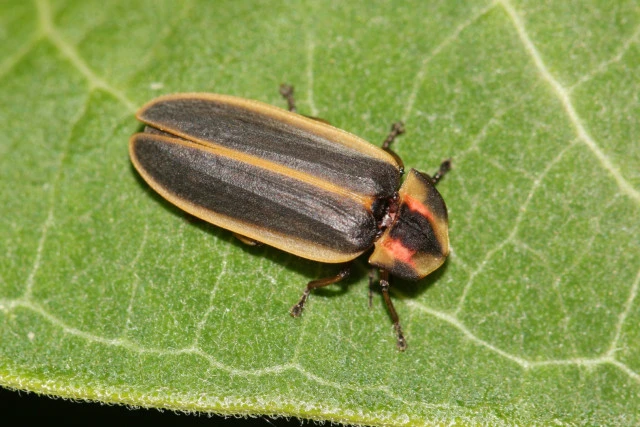
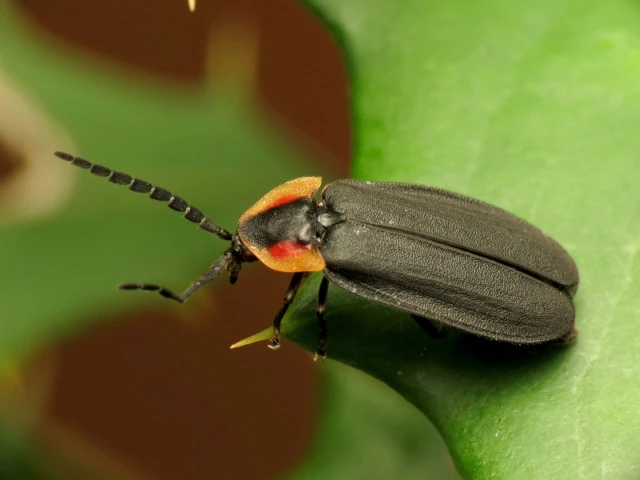
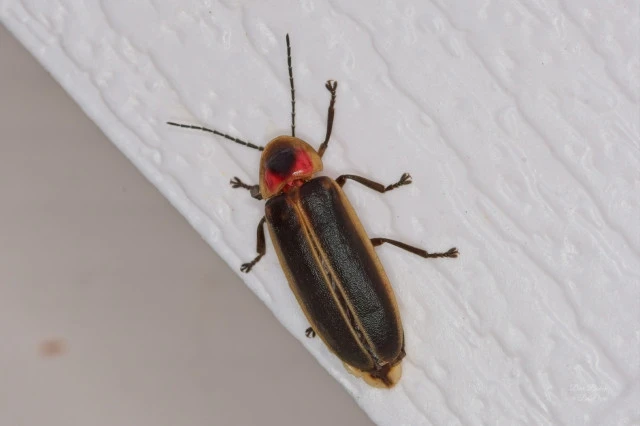
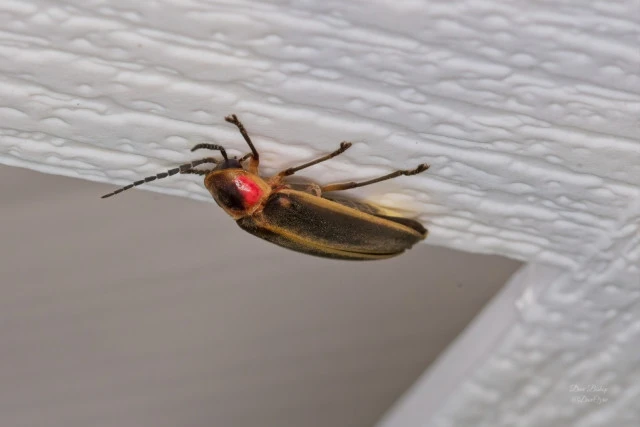
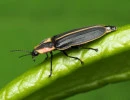
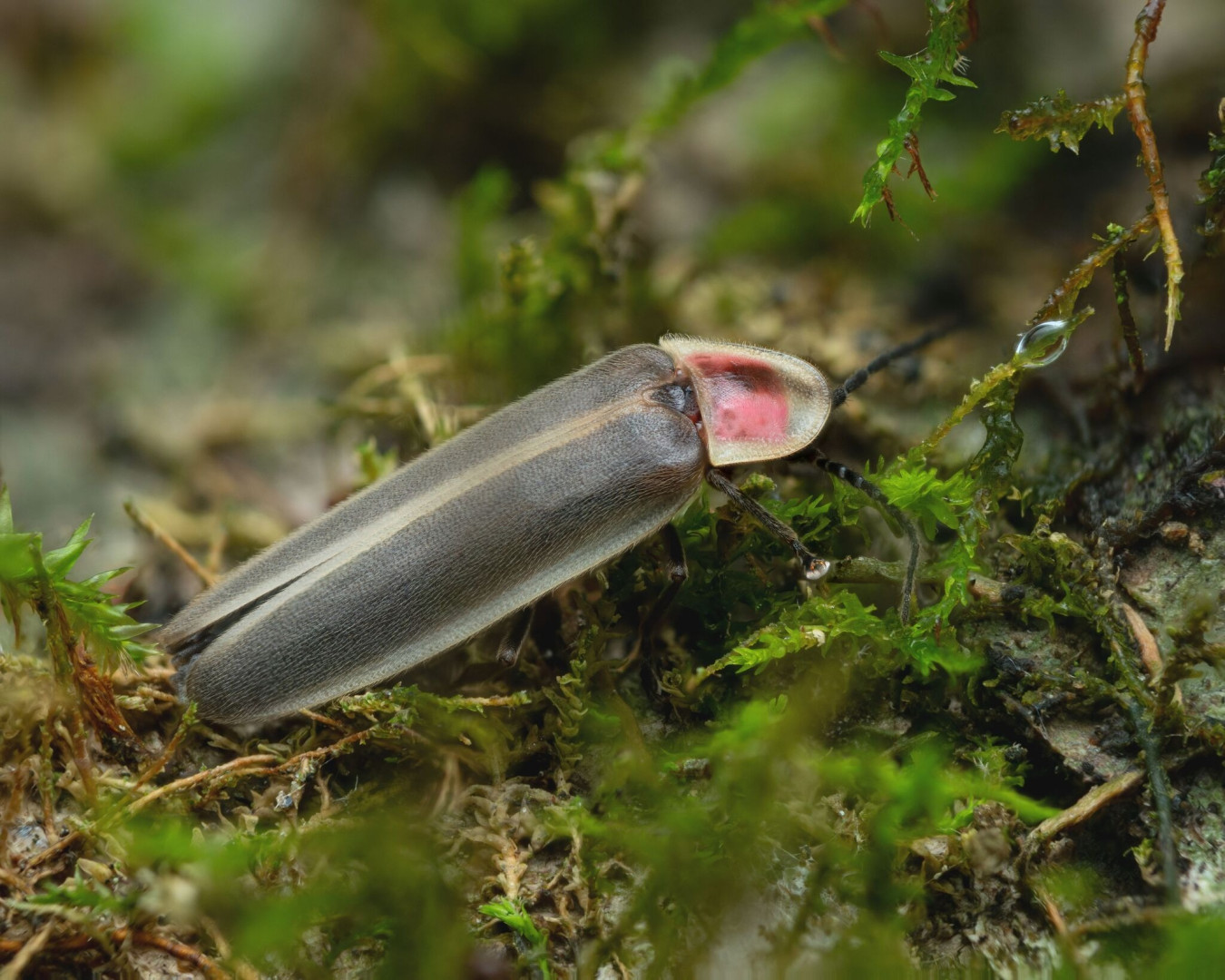
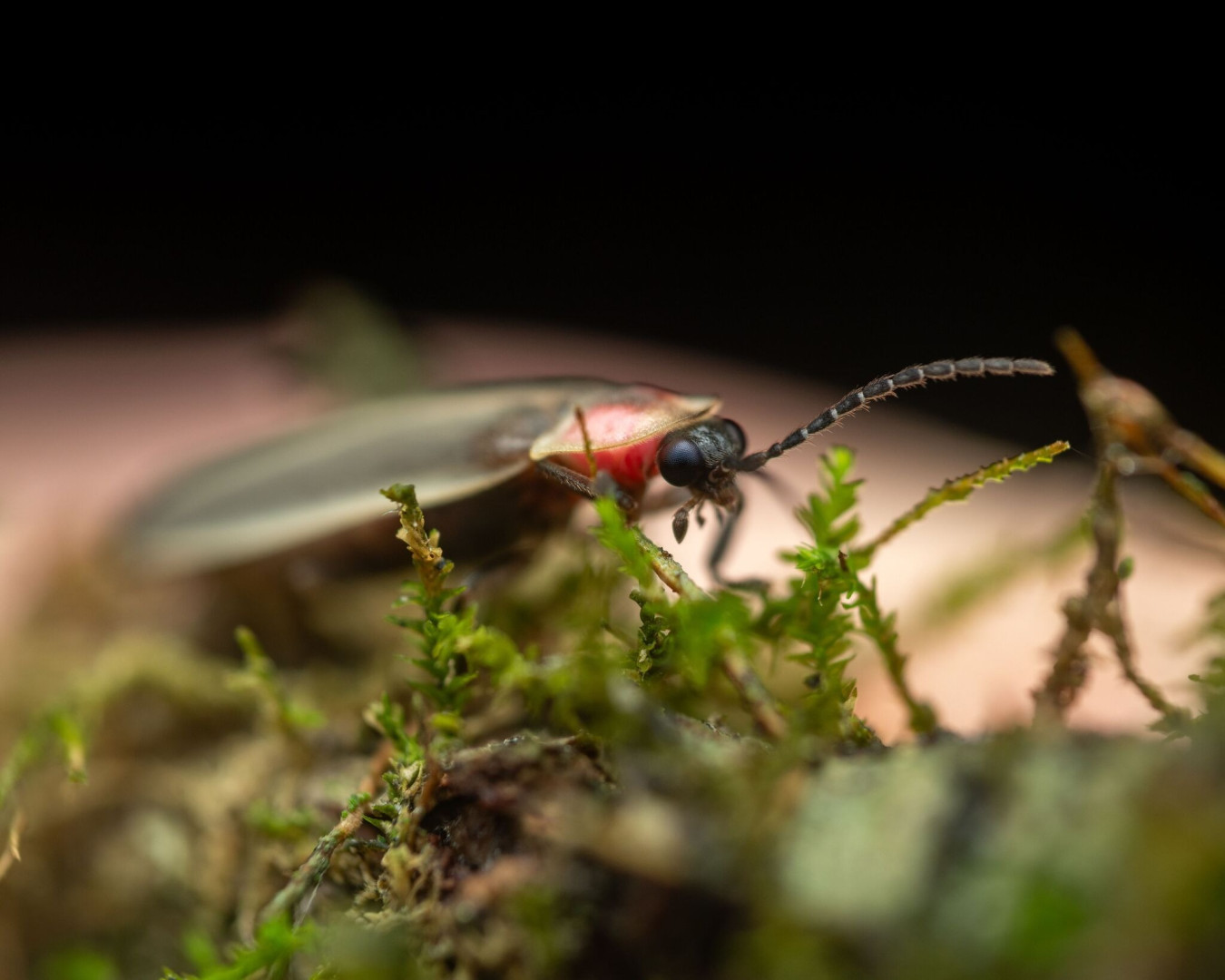
Common Eastern Firefly
The most frequently observed firefly across much of the Midwest. This species is extremely adaptable and is often the first to return after habitat improvement. It is strongly associated with moist soils, leaf litter, and mixed vegetation.
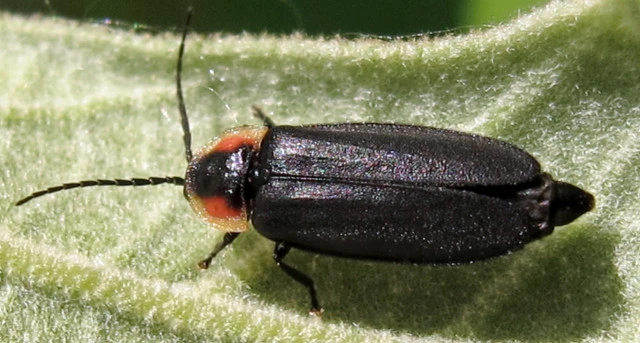
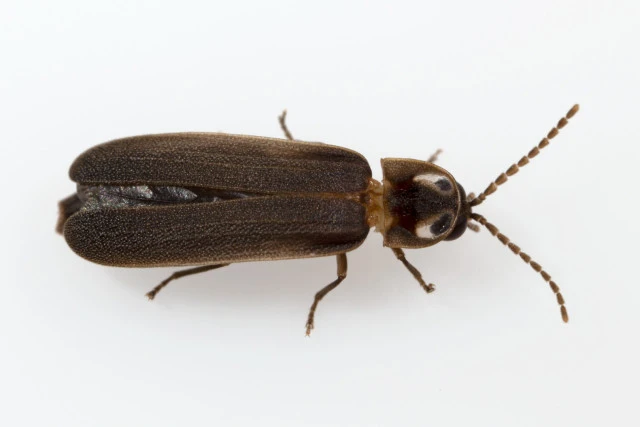
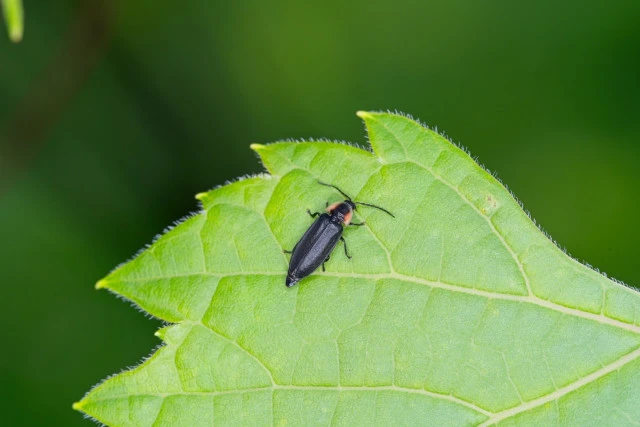
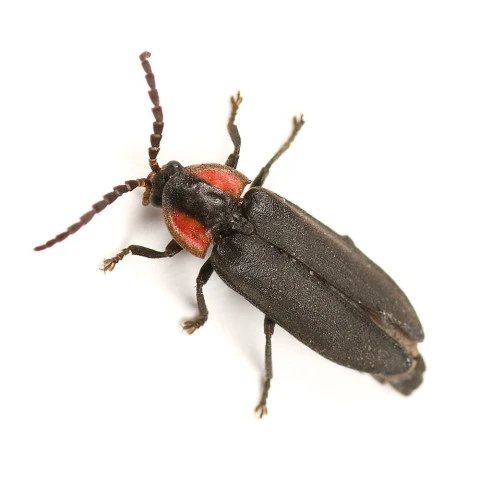
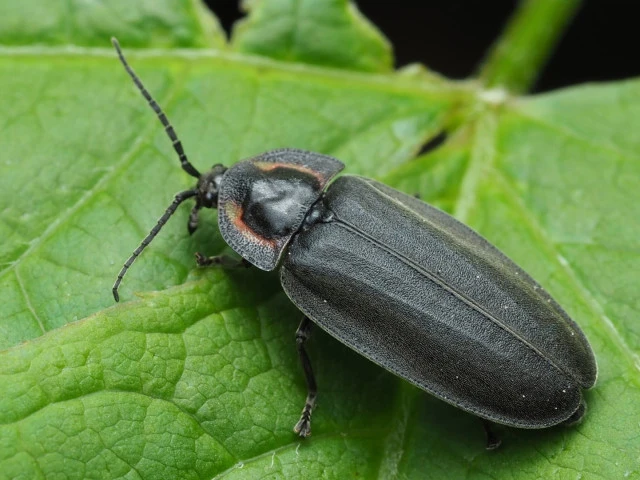
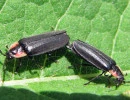
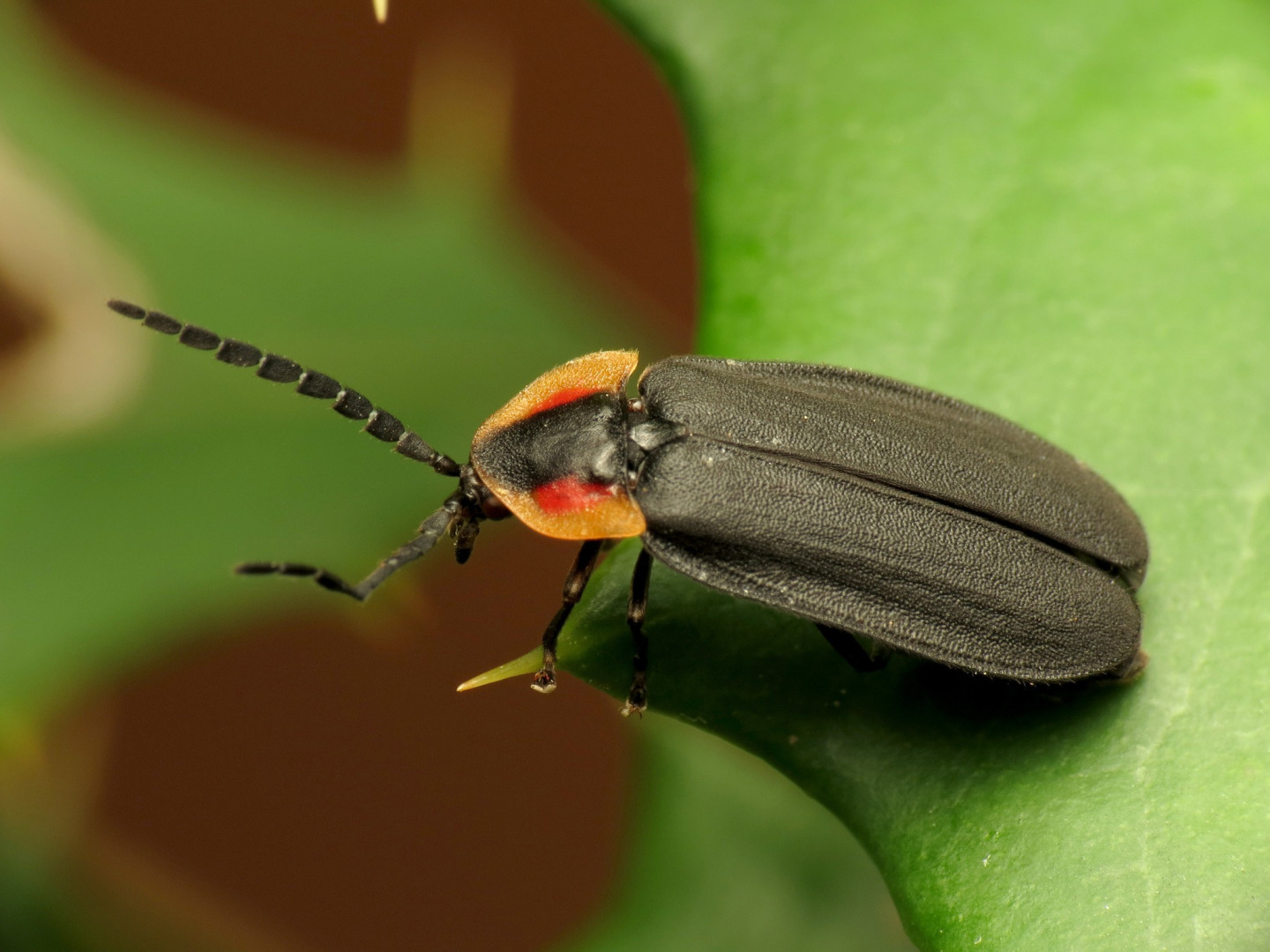
Black Firefly
A non-flashing species active primarily during the day. This beetle highlights that not all fireflies use light signals. Larvae still depend on soil, litter, and organic matter, reinforcing the importance of intact ground-level habitat.
Winter Firefly
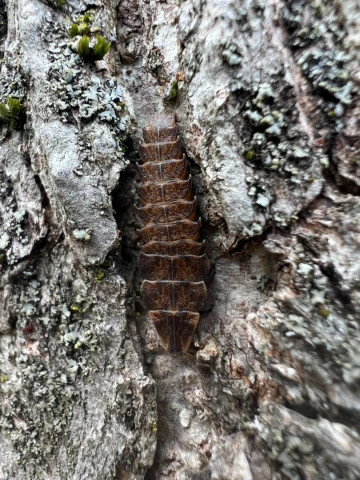
Active in fall and winter, with adults often seen walking on tree trunks. This species demonstrates that fireflies are present year-round and strongly associated with mature trees, bark, and woody debris.
Spring Tree-Top Flasher
An early-season species that flashes high in trees. It relies on vertical structure and is sensitive to canopy loss, illustrating why trees and layered vegetation matter for fireflies.
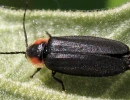
Dark Firefly
A mostly non-flashing species active at dusk or night. Adults are active without signaling, while larvae remain soil-dependent predators. These fireflies are easily missed in light-polluted or simplified landscapes.
Little Gray Firefly
A smaller species with subtler flashing behavior. It is often found in less disturbed habitats and may decline before more adaptable species, making it a useful indicator of habitat quality.
Say’s Firefly
A spring-active species with strong flashes. It is tied to moist habitats and is often associated with intact riparian corridors or woodland edges. This species is sensitive to drainage and frequent mowing.
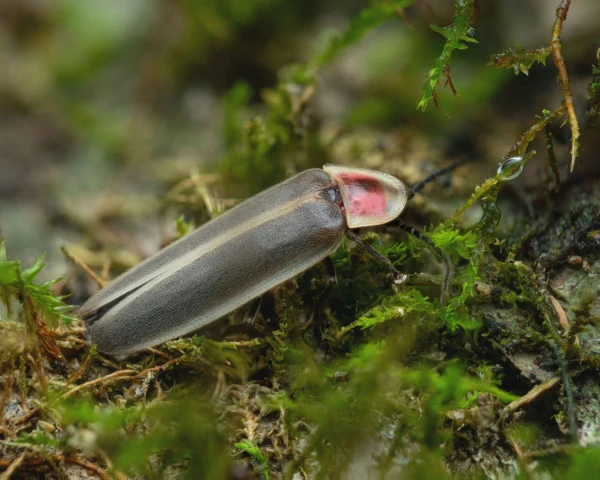
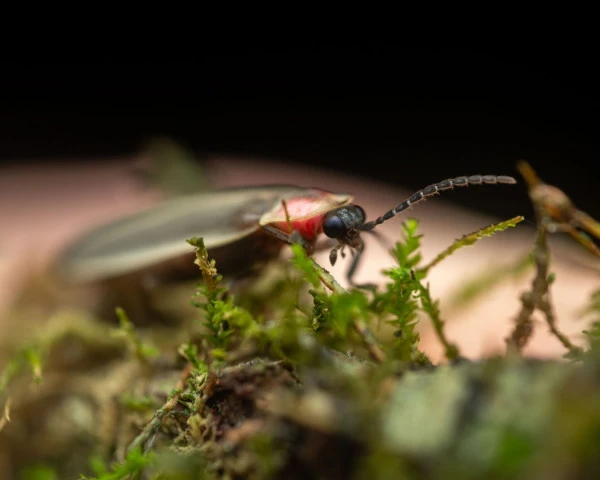
Blue Ghost Firefly
A dimly glowing species with a ghost-like light. While more common farther south, it is occasionally observed in the Midwest. Larvae glow more strongly than adults, emphasizing the importance of soil and litter habitat.
Sneaky Elf
Small, subtle, and easily overlooked. This non-flashing adult species reinforces how many fireflies are present but unseen, with a strong dependence on soil, leaf litter, and low-disturbance conditions.
Why Diversity Supports the Soil Argument
This species list makes several things clear. Flashing and non-flashing species coexist. Diurnal, crepuscular, nocturnal, and winter-active species all share the same landscapes. The common thread among all of them is soil, litter, moisture, and structure.
Healthy soil and native plants are the foundation of healthy insect populations and the prey they depend on. Using local observations keeps conservation efforts grounded in the real Midwest experience.
Fireflies as Ecosystem Indicators
Fireflies remind us that conservation does not begin above ground. It begins in soil, decay, and the organisms we rarely see. Healthy firefly populations reflect healthy soils, intact organic layers, native plant structure, and functioning food webs. Protecting fireflies means protecting the ecological foundations that support countless other species as well.
Further Reading and Scientific Sources
Firefly biology and conservation
A global overview of firefly life cycles, threats, and conservation priorities is presented by Lewis et al. in BioScience, A global perspective on firefly extinction threats .
For a comprehensive and accessible treatment of North American fireflies, including life history and habitat needs, see Lynn Faust’s book, Fireflies, Glow-worms, and Lightning Bugs .
Firefly habitat guidance and ongoing conservation work referenced in this article draw from Firefly Conservation and Research , founded by firefly researcher Ben Pfeiffer.
Midwest firefly distributions and observation data
Regional species distributions and habitat associations are actively being documented through Firefly Atlas , a national community science project led by the Xerces Society.
Additional species occurrence data referenced in this article are based on community observations from Midwest fireflies on iNaturalist , with identification support from BugGuide .
Soil ecology, organic matter, and invertebrates
The role of soil biodiversity in ecosystem function is synthesized by Bardgett and van der Putten in Nature, Belowground biodiversity and ecosystem functioning .
The impacts of invasive non-native earthworms on Midwestern forest soils and organic matter layers are detailed by Hendrix and Bohlen in BioScience, Exotic earthworm invasions in North America .
Pesticides, surfactants, and soil toxicity
Evidence that pesticide formulations, including surfactants and other adjuvants, can substantially increase toxicity beyond labeled active ingredients is reviewed by Mullin, Toxicological risks of agrochemical spray adjuvants .
Terrestrial ecotoxicity of herbicide formulations and co-formulants, including surfactants such as POEA, is reviewed by Klátyik et al., Terrestrial ecotoxicity of glyphosate, its formulations, and co-formulants .
The sensitivity of soil and litter-dwelling invertebrates to pesticide exposure is documented by Joimel et al., Collembola are among the most pesticide-sensitive soil fauna groups .
Native plants, soil microbiomes, and insect communities
Broader links between plant diversity, soil microbial communities, and insect populations are addressed by Hooper et al. in Ecological Monographs, Effects of biodiversity on ecosystem functioning .